
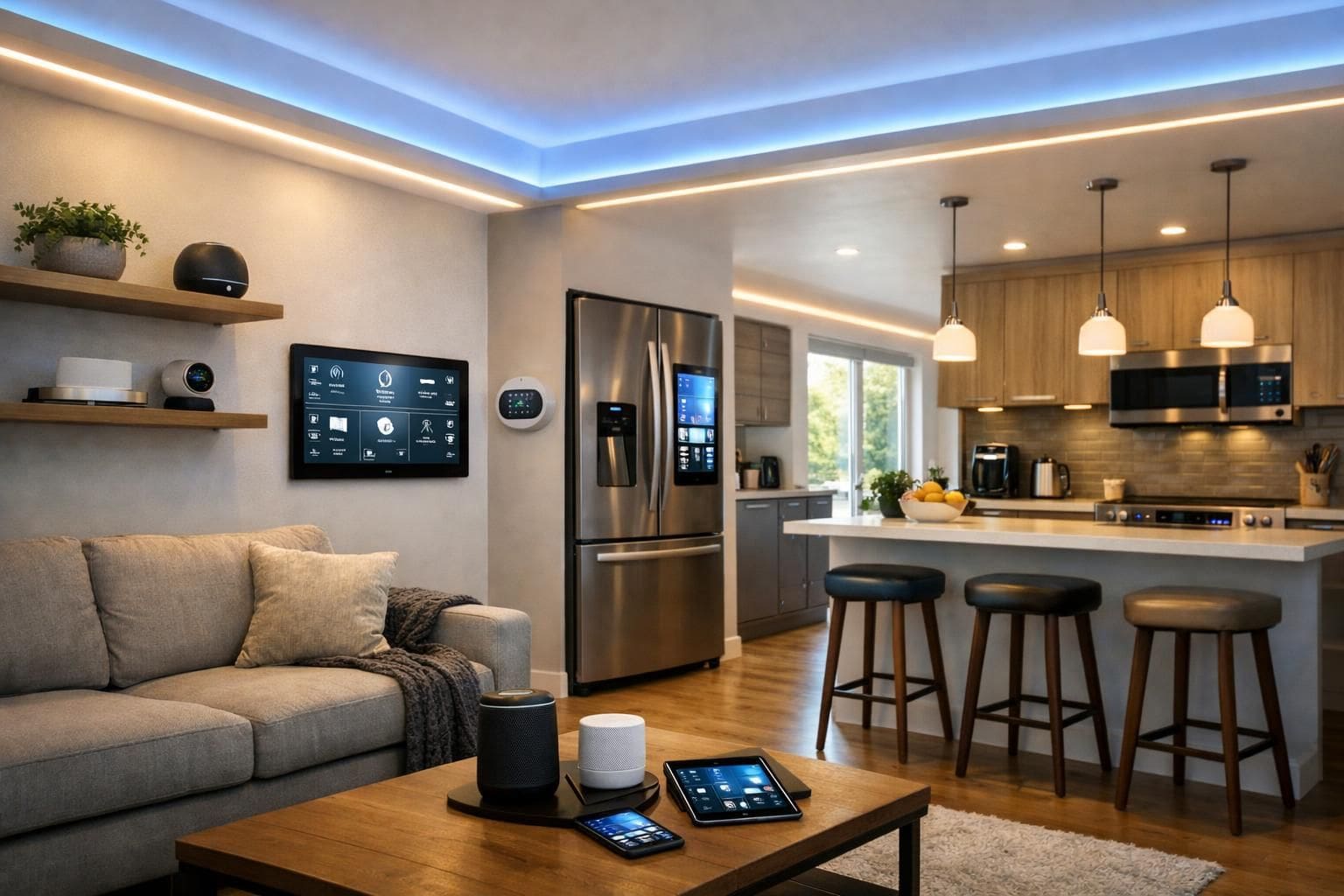
As homes become increasingly filled with devices offering smart capabilities, the challenge intensifies to select a home automation system that seamlessly integrates these gadgets into a unified, user-friendly environment. The smart home market, projected to surpass $700 billion by the end of the decade, presents homeowners and tech enthusiasts with an overwhelming array of hubs, protocols, and ecosystems to choose from. Navigating this complexity requires a clear understanding of the leading platforms in 2025, each bringing distinct priorities such as privacy, customization, voice control, or professional-grade integration. This guide delves into the latest developments and features of the top smart home systems, providing a thorough comparison to empower informed choices based on compatibility, convenience, and investment priorities.
From hands-on DIY setups that prioritize local control and data privacy to professional installations endowed with high scalability and unified multimedia systems, the smart home landscape in 2025 caters to every preference and need. Notable players like Home Assistant and Samsung SmartThings deliver broad device compatibility and reliable mobile apps, while Apple HomeKit appeals to privacy-conscious users with its encrypted local automations. Voice-centric platforms such as Amazon Alexa dominate accessible, conversational interfaces, complemented by AI-driven systems from Google Home that predict household routines for effortless automation. Meanwhile, luxury and security-focused options like Control4, Savant, ADT, and Ring offer robust professional installations and comprehensive monitoring features.
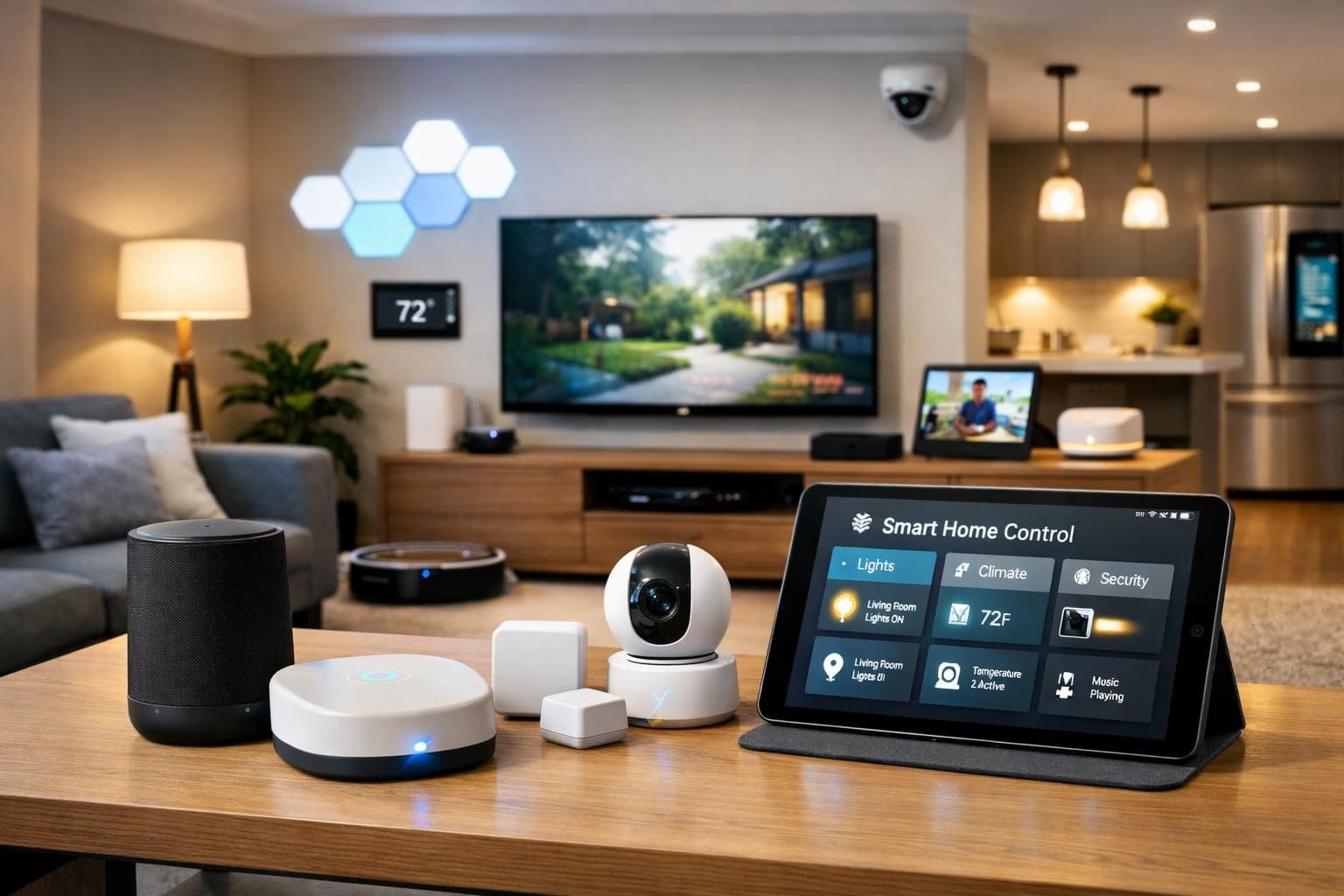
Evaluating Top Home Automation Systems for Comprehensive Smart Living in 2025
Choosing the ideal home automation system requires dissecting each platform’s core philosophy, hardware sophistication, and compatibility scope, which directly impacts user experience and long-term satisfaction. One of the strongest contenders in this realm is Home Assistant, widely recognized for its outstanding customization and emphasis on local processing. Its design philosophy caters to power users and tinkerers determined to avoid cloud dependencies — vital for maintaining data privacy and resilience against internet outages. By processing automations locally, Home Assistant ensures that critical routines continue uninterrupted even in the face of network failures, with latency often under 200 milliseconds.
Home Assistant’s open-source nature, boasting over 2,000 community-developed integrations, permits the coexistence of legacy and cutting-edge devices. This vast ecosystem supports protocols such as Zigbee, Z-Wave, Wi-Fi, Bluetooth, Modbus, MQTT, and recently enhanced native Matter and Thread commissioning, which unite smart devices more seamlessly than ever. Moreover, the 2025 update introduces a user-friendly Sky appliance, eliminating typical hardware hassles, and offers energy dashboards that precisely estimate savings from intelligent HVAC strategies such as cycling a whole-house fan instead of air conditioning. Hardware options range from the affordable Green and Yellow models, including integrated Thread radios, to a plug-and-play Sky box that simplifies installation for less technical users.
On the other hand, Samsung SmartThings Station and Hub v3 strikes a balance between sophistication and ease of use, making it a favorite among mainstream users. The system pairs a multi-protocol radio suite—covering Zigbee, Thread, Matter-over-WiFi, and BLE—with a refined app that simplifies device setup and automation creation. Its Energy dashboard delivers real-time insights, recommending actionable savings such as running a whole-house fan before the AC compressor kicks in. Integrations span over 5,000 devices across popular brands like Philips Hue, Yale, and Ecobee, ensuring considerable flexibility without complex configuration requirements. Setup is straightforward, often taking less than five minutes, ideal for households craving immediate smart home benefits without technical overhead.
These platforms exemplify the range of options homeowners face, from deeply technical to highly accessible, and highlight the importance of weighing criteria such as customization level, installation comfort, and device support when embarking on smart home automation integration. As many readers may seek detailed insights on configuring compatible thermostats, this guide to choosing a smart thermostat provides valuable expertise to complement the broader home automation setup.
Privacy and Seamless Ecosystem Integration: Apple HomeKit and Amazon Alexa Advances
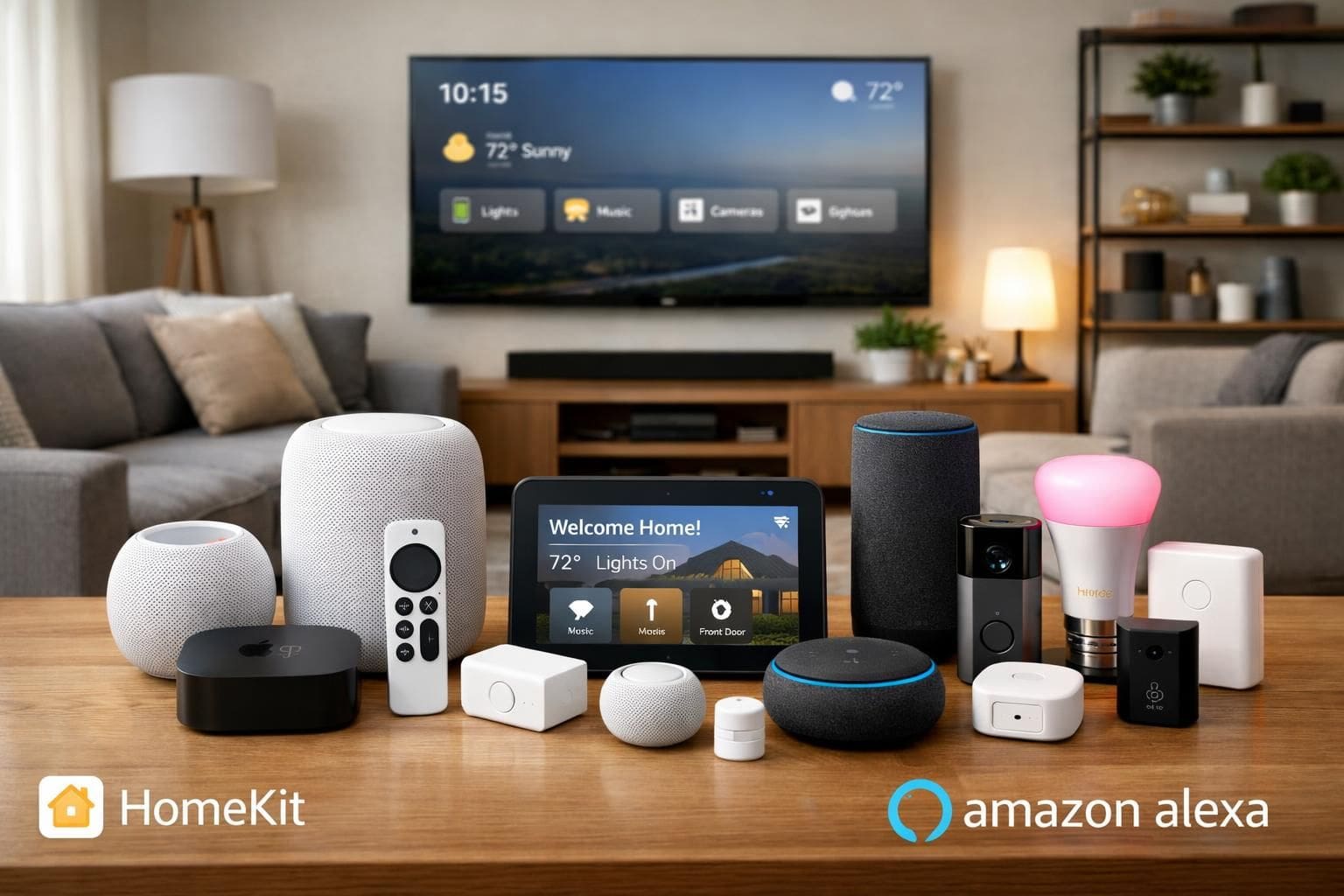
The growing awareness around data privacy has intensified the demand for automation systems that keep information secure without sacrificing functionality. Apple HomeKit, rebranded as Apple Home in 2025, stands out as a front-runner for privacy with its end-to-end encrypted automations and local rule execution on home hubs like HomePods and Apple TVs. Its architecture ensures that user event histories remain confidential, processing most automations locally while supporting a thriving ecosystem through Matter and Thread. The adaptive « Natural Light » feature dynamically adjusts lighting levels and tones, while the enhanced Energy tab encourages eco-friendly habits such as activating whole-house fans during optimal times to minimize air conditioning dependency.
Apple’s setup mirrors its hallmark user experience: effortless device pairing through QR codes, robust Siri voice control across iPhones, Apple Watches, and CarPlay systems, and utilization of shortcuts for advanced automation that integrates messaging and calendar events. This integration depth facilitates sophisticated yet private smart home scenes that easily accommodate family control without complex configurations or exposing data unnecessarily.
Meanwhile, Amazon Alexa continues to dominate voice-centric smart home control, benefiting millions with its vast product portfolio—over 140,000 compatible devices—and improvements in natural speech processing that reduce latency to about 250 milliseconds. The 2025 Echo devices encompass multi-radio support including Zigbee and Thread, innovative AI-powered routines that accommodate conditionals and multi-room triggers, and a Guard Plus service that enhances security with environmental sensing and LTE fallback.
Alexa’s ecosystem shines by smoothly connecting with systems ranging from Ring and Blink cameras to Philips Hue and Ecobee, with multi-user voice profiles providing personalized experiences. Its broad compatibility and hands-free convenience make it not just a voice assistant but a smart living command center. For those interested in improving home safety, exploring smart home security basics can be a useful first step before expanding automation.
Professional-Grade Automation and Luxury Experiences: Control4 and Savant Systems Analysis
For those seeking seamless full-home automation, combining lighting, HVAC, media, and security in a single integrated platform, Control4 and Savant remain unparalleled choices. These systems are crafted to deliver phenomenal reliability along with sophisticated user interfaces and comprehensive ecosystem compatibility, catering to large residences and high-end properties where every detail counts.
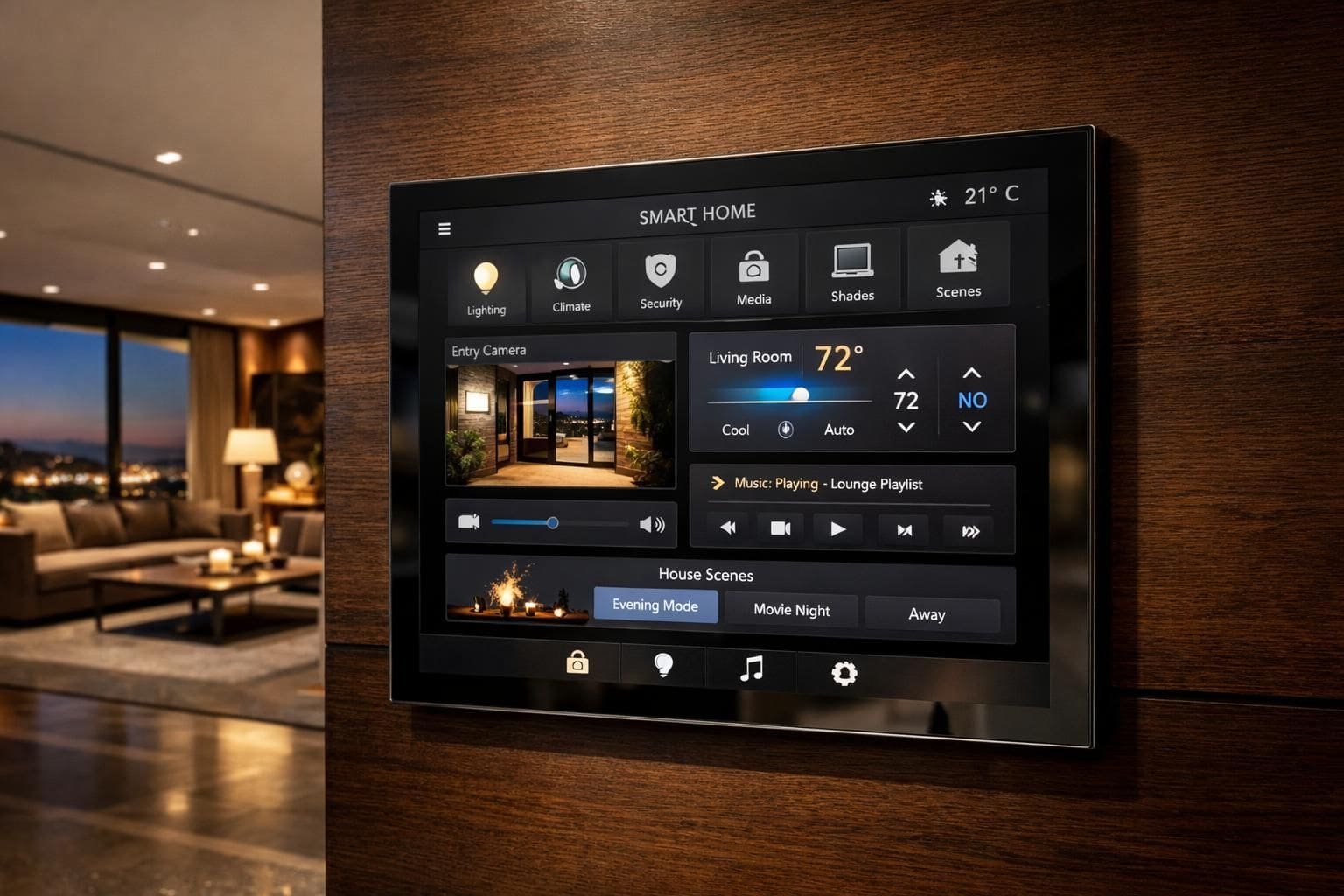
Control4 appeals through its robust dealer network supplying expert installation and ongoing support in over 100 countries. The OS 3.5 update for 2025 unifies climate, lighting, audio-visual, and surveillance controls into a streamlined user interface accessible via touchscreens, smart keypads, and mobile apps. The inclusion of an overnight firmware update cycle and remote diagnostic capabilities ensures sustained, hassle-free operation. With native support for over 15,000 certified device drivers—including Sonos, Lutron Ketra, KNX, and Tesla Wall Connectors—Control4 masters both wired and wireless integration. Despite requiring professional installation typically costing between $8,000 and $20,000 for whole-home setups, the investment brings unmatched reliability and automated convenience.
Conversely, Savant caters to luxury lifestyles prioritizing superior design and immersive media experiences. Its SavantOS derives from Apple’s iOS, delivering an elegant app interface complemented by the Pro Remote X2, renowned for its responsive controls and precision. The 2025 iteration introduces Smart Budget panels facilitating advanced power balancing for EV charging and wellness lighting packages tailored to circadian rhythms. Savant’s high-fidelity 8×8 4K/60 Dolby Atmos matrix switcher distributes premium audio with ultra-low latency, elevating the entertainment aspect of smart homes. However, its premium hardware and labor costs, often exceeding $10,000, place it firmly in the luxury tier.
Both platforms showcase integration with leading brands across lighting, HVAC, and security, with recent firmware updates enhancing Matter compatibility, enabling ongoing adoption of the latest smart standards. These systems are ideal for homeowners who prioritize long-term reliability, customization flexibility, and superior user experiences delivered by professional installers. For those interested in professional sound and lighting customization that complements these systems, reviewing smart home automation ideas for every room can inspire personalized setups.
Security-Centric Platforms: Ring, ADT, and Vivint for Trusted Protection and Automation
Integrating smart home automation with monitored security continues to be a priority for many homeowners, especially for optimal peace of mind and emergency response. Systems like Ring Alarm Pro, ADT Command & Control, and Vivint Smart Home strike this balance by blending automation convenience with professional-grade security features.
Ring Alarm Pro stands out for its all-in-one base station that merges a Wi-Fi 6 router, 24-hour battery backup, and cellular failover, ensuring uninterrupted monitoring even during power or internet outages. Its ecosystem facilitates easy integration with Alexa voice commands, Matter-compatible plugs and sensors, and a range of locks and cameras. Monthly subscription plans offer professional monitoring and advanced video storage options, enabling scalable solutions for DIY enthusiasts.
ADT, a trusted brand with over a century of experience, offers highly reliable professionally installed systems with cellular and battery backups to maintain security during outages. The Command & Control platform integrates smart locks, cameras, and environmental sensors monitored by nationwide dispatch centers with average response times under 15 seconds. Annual maintenance and comprehensive tutorials provide users with confidence and control. While contractual obligations and higher monthly costs are features to consider, the level of protection is unmatched.
Vivint offers a concierge-level systems approach, incorporating AI-driven deterrence features such as voice warnings for detected intruders and detailed vehicle monitoring. Its Local Smart Drive DVR captures continuous video, providing an extra layer of protection not commonly found in other packages. Technician-installed hardware includes PoE cameras, Smart Drive storage, and customized sensor zones, delivering a tailored and immersive security experience.
These platforms highlight the importance of combining smart home automation with security for households prioritizing safety. Readers interested in starting with security solutions can gain insights and practical advice from comprehensive smart home security resources that detail setup, best practices, and integration tips.
Core Technologies and Connectivity: Protocols, Local Control, and the Future of Smart Homes
Underlying all smart home systems are the communication protocols and processing architectures that dictate speed, reliability, and privacy. Most leading platforms embrace the Matter standard, now fully matured in 2025, which greatly simplifies device interoperability across ecosystems. Thread network technology enhances low-power, mesh wireless communication, becoming ubiquitous as new hubs integrate built-in Thread border routers.
Zigbee and Z-Wave remain relevant for legacy devices, supporting a broad array of sensors and switches, while Wi-Fi holds a substantial role in devices requiring high bandwidth like cameras and video doorbells. A careful balance between wireless standards ensures seamless interactions, minimal latency, and energy-efficient operation. For readers seeking comparative insights on these technologies, this explainer on Zigbee, Z-Wave, and Wi-Fi clarifies differences and ideal use cases.
Equally crucial is the decision between local processing hubs and cloud-reliant systems. Platforms like Hubitat Elevation and Home Assistant emphasize local-only rule execution and data storage, ensuring ultra-fast reaction times and safeguarding privacy. Conversely, cloud-based systems such as Google Home and Amazon Alexa offer advanced AI-powered predictive automations and effortless remote access but depend on internet connectivity. Hybrid architectures combine the best of both worlds, exemplified by secure cloud services augmenting local controls.
Smart home setups also increasingly focus on energy-saving automation, such as leveraging whole-house fans to reduce air conditioning energy consumption—a strategy integrated across many high-end hubs in 2025. For households seeking to deepen their knowledge or upgrade energy management, exploring energy-saving home devices can provide actionable insights for cost-effective, sustainable living.
- Multi-protocol support: Integration with Matter, Thread, Zigbee, Z-Wave, Wi-Fi
- Local vs cloud processing: trade-offs between latency, privacy, and AI features
- Energy-saving automation: intelligent HVAC cycling and fan control routines
- Security integration: seamless alarm and surveillance system networking
- Professional support: importance of dealer networks and firmware maintenance