
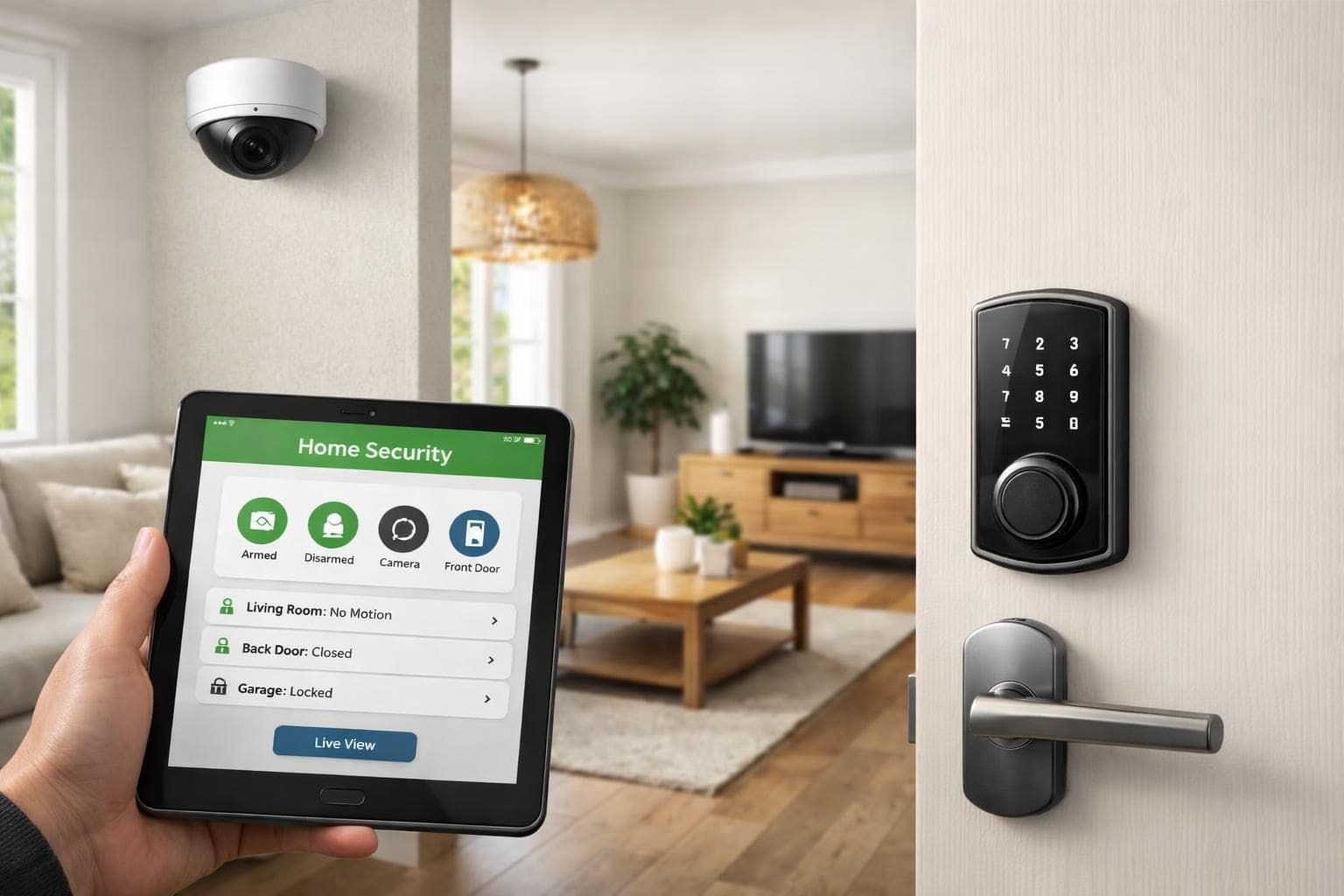
As homes become increasingly connected, the thrill of setting up a smart home security system is no longer reserved for tech experts. Today, anyone eager to protect their home effortlessly can harness cutting-edge technology tailored for beginners. Smart home security offers an accessible way to monitor every corner of your space, with devices ranging from intuitive cameras and responsive sensors to smart locks that put control right in your palm. The evolution of this technology means you don’t need to break the bank or wrestle with complicated setups to feel safer and more connected to your home.
Understanding the building blocks of smart home security empowers beginners to create custom solutions adapted perfectly to their homes’ unique nooks and crannies. Smart cameras delivering crystal-clear video make it easier to identify visitors and potential intruders, while motion sensors ensure immediate detection of unexpected movement. Integrated smart locks add an extra layer of automated protection, allowing for seamless and secure access management—no more fumbling with keys. Plus, home automation systems integrate these components into a centralized ecosystem, offering convenient control and peace of mind via smartphone apps.
Essential Components to Build Your First Smart Home Security System
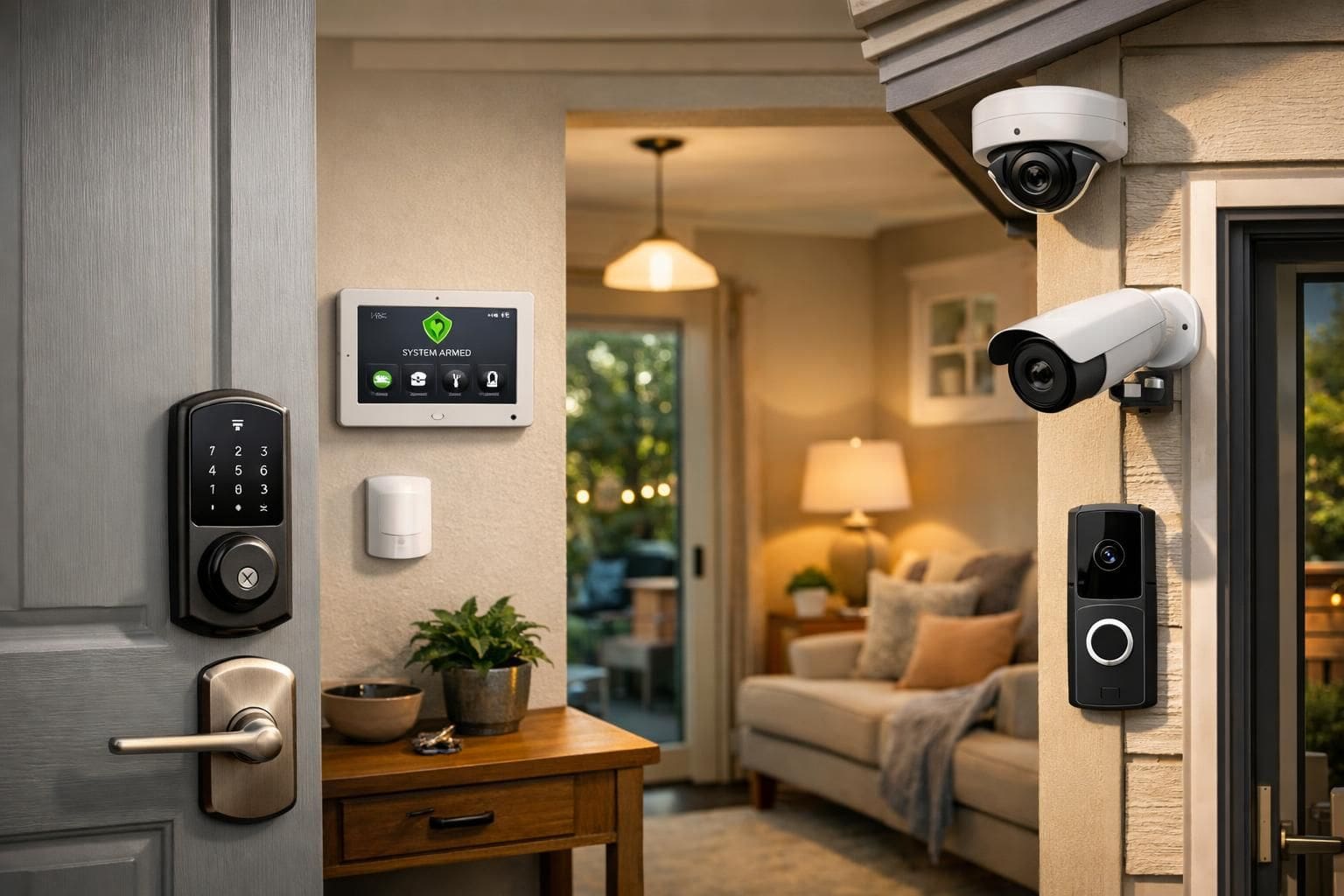
Embarking on your smart home security journey begins with knowing what each component offers and how to choose what fits your lifestyle. Cameras act as your digital eyes, monitoring indoor and outdoor spaces with options for wired or wireless installations depending on your preferences and home layout. Pair these with motion sensors strategically placed to track any unexpected activity, and you’ve got your home’s movement covered.
Smart locks revolutionize home entry by offering remote control, digital keys, and compatibility with other devices, giving you flexible and secure access management. Alarm systems bring another crucial dimension by promptly alerting you and authorities when breaches occur, often enhanced by mobile app notifications for instant awareness. Finally, home automation hubs unify your security devices to work in harmony, improving efficiency and simplifying how you interact with your smart home environment.
Step-by-Step Setup Guide to Smart Home Security for Beginners
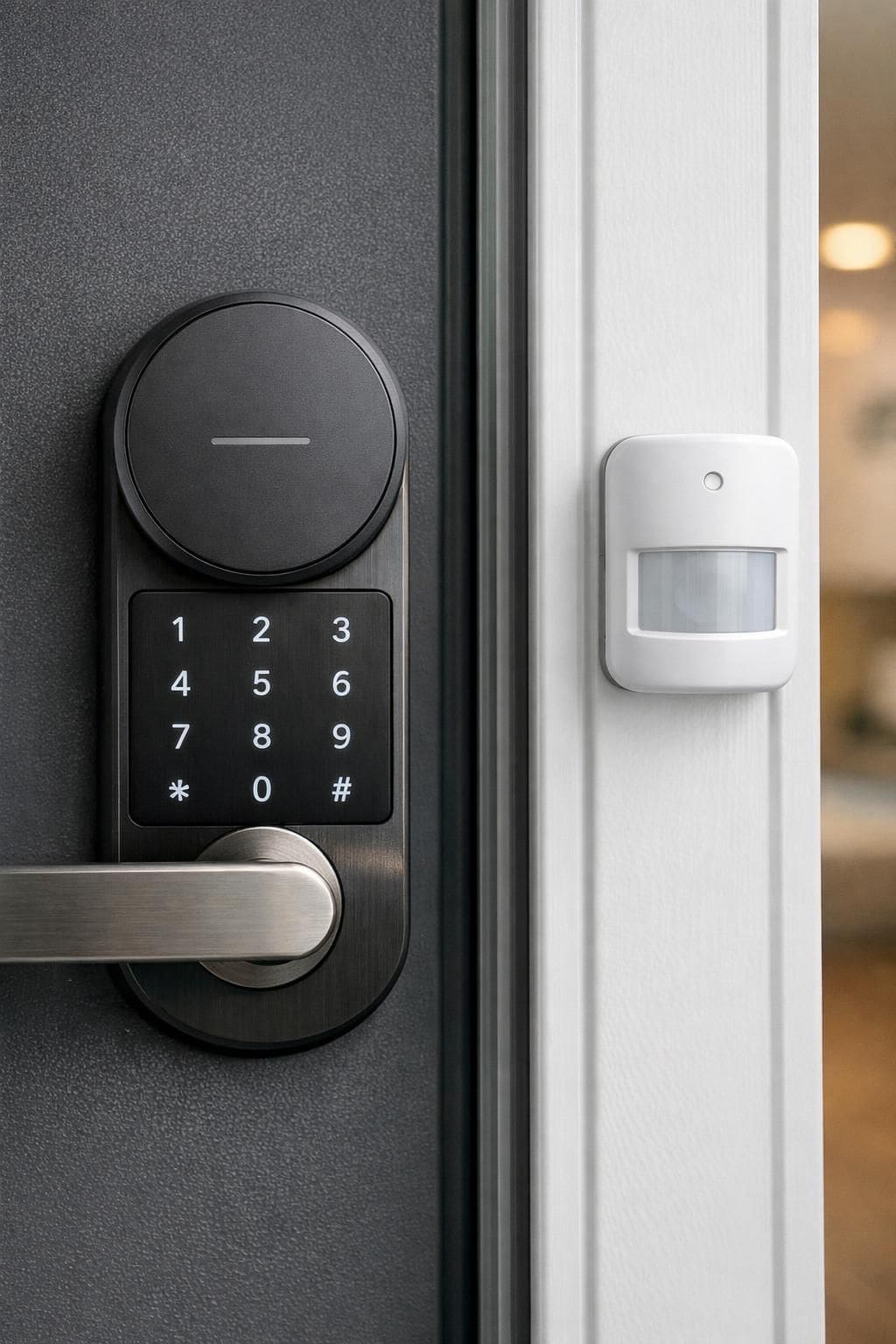
Starting with the right tools and a clear plan can transform setup from daunting to manageable. Begin by listing essential security components: cameras for capture, sensors for detection, smart locks for access, alarms for alerts, and automation hubs for integration. Next, plan the placement carefully—focus on all possible entry points such as doors and windows, vital indoor zones like living areas, and external spaces including patios and garages.
Installation proceeds with mounting cameras in vantage spots that maximize their field of vision, ensuring power options are nearby or opting for wireless versions. Motion sensors should be placed in high-traffic areas while avoiding direct sunlight to reduce false alarms. Installing smart locks requires adherence to manufacturer instructions and syncing with your smart home hub to enjoy remote control. Finally, connecting all devices to your smart home app completes the setup, allowing you to monitor and control your security system seamlessly.
Top Tips for Maintaining a Smooth-Running Smart Home Security System
Protection doesn’t stop after setup—it requires regular attention. Keep your software updated to shield against vulnerabilities and optimize performance. Verify camera angles and sensor placements periodically, as small shifts can affect coverage. Hands-on monthly system testing ensures that all alerts and recordings function as expected to pre-empt any issues. Remember, neglecting Wi-Fi security or bypassing system updates often leads to weaknesses adversaries might exploit.
- Regular software and firmware updates maintain security integrity and introduce feature improvements.
- Routine checks of camera perspectives and sensor sensitivity preserve optimal detection and recording quality.
- Frequent system tests confirm operational readiness and prompt troubleshooting if needed.
- Secure your home network by using strong passwords and encryption to protect device communication.
Choosing the Right Smart Security Cameras for Beginners
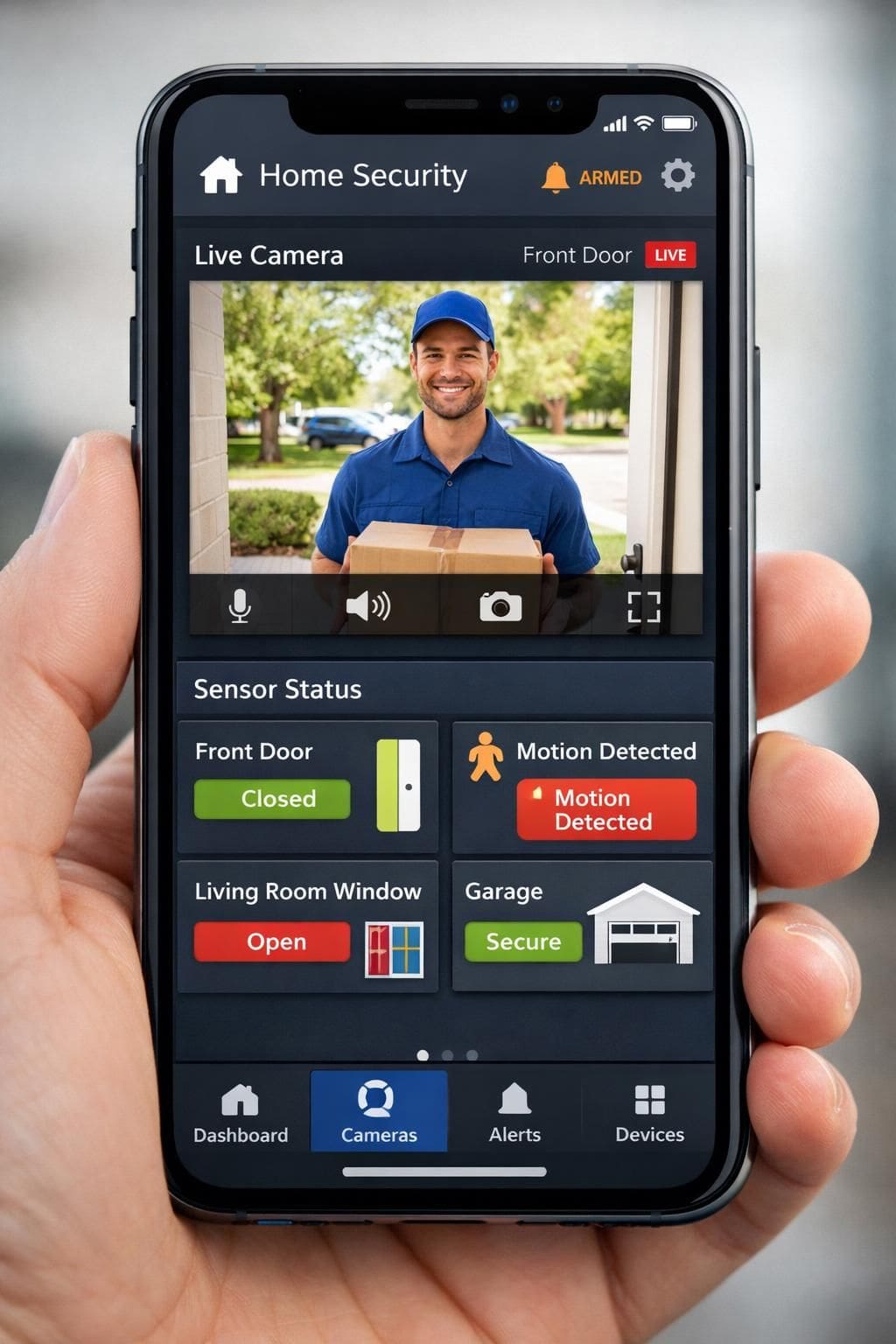
Selection of the ideal smart camera hinges on balancing resolution, ease of installation, and intelligent features. Crisp 2K or higher resolution cameras provide clear identification through detailed images, indispensable for spotting faces or license plates. Convenience is bolstered by plug-and-play designs and user-friendly apps guiding novices through setup effortlessly. Connectivity options vary; Wi-Fi remains popular for its flexibility, though some wired cameras and devices supporting Ethernet offer stable alternatives.
Smart detection features heavily influence user experience. Cameras equipped with AI algorithms distinguish people from pets or vehicles, significantly cutting down false alarms. Customizable detection zones and timely smartphone notifications empower you to focus on what truly matters. Night vision capabilities further extend your watchful eyes into darkness, with modern color night vision revolutionizing visual clarity when it counts most.
Exploring Storage and Compatibility for a Future-Proof Security Setup
Storage options are essential considerations for uninterrupted peace of mind. Cloud storage services provide ease of access, though many limit footage retention unless upgraded to paid plans. Local options such as microSD cards or DVRs offer substantial storage without recurring fees, balancing cost and convenience. Ensuring compatibility with popular voice assistants and operating systems guarantees your security system integrates seamlessly within your evolving smart home landscape.
- Cloud storage facilitates remote access but often involves subscription fees.
- Local storage via microSD or DVRs allows autonomy and extended recording times.
- Compatibility with Alexa, Google Home, or Apple HomeKit enhances ease of use and voice control.
- Wi-Fi frequency support (2.4GHz/5GHz) impacts device connectivity and stability.
Exploring Practical Setup Examples and Innovative Security Devices for Beginners
Let’s look at some beginner-friendly products making waves in the smart security world. The Arlo Essential 2K camera pack combines high resolution with weatherproof design, color night vision, and two-way audio, making it a trustworthy companion for both indoor and outdoor monitoring. Meanwhile, the compact Hidden WiFi Spy Camera suits those who prefer discrete surveillance, offering 1080P HD clarity and instant motion alerts. For more extensive needs, the ANNKE 3K Lite system features eight wired cameras with AI detection, superior night vision, and solid DVR storage, providing comprehensive coverage for larger homes or small businesses.
These options demonstrate how versatility, from wire-free to wired and simple to feature-rich setups, caters to various new users’ needs in 2025. Integrating these cameras with mobile apps ensures you stay connected no matter where life takes you. This accessibility makes stepping into smart home security less intimidating, fostering confidence and control right from the start.