
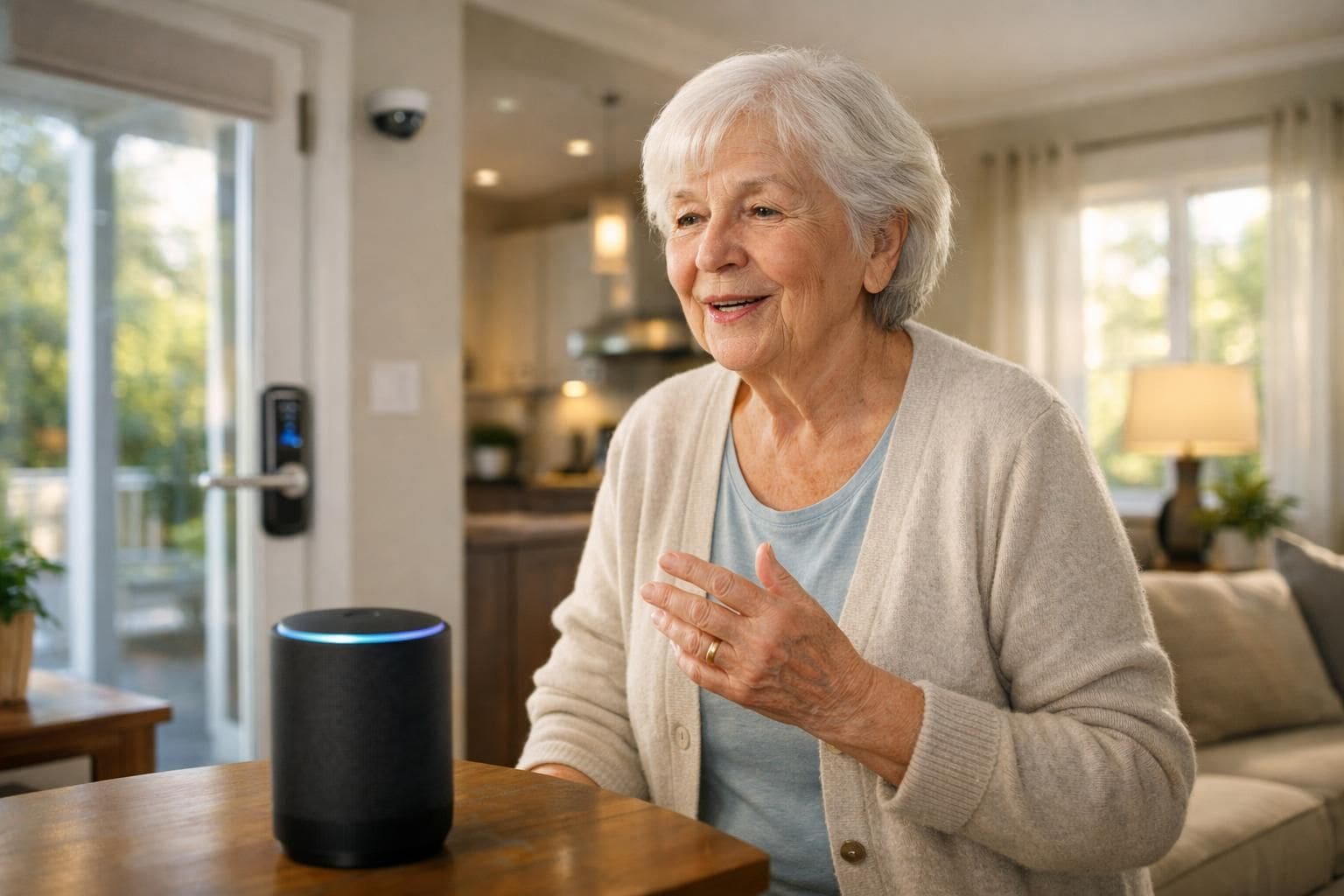
In the evolving landscape of smart home technology, voice control systems stand out as a beacon of independence and safety for elderly residents. Imagine a senior living alone, easily adjusting lighting, managing their thermostat, or quickly calling for help using just their voice. This seamless integration of voice-activated devices like Amazon Echo or Google Nest Mini is changing the experience of aging in place. With 67% of seniors reporting enhanced quality of life thanks to voice technology, these tools are more than conveniences; they are essential companions. The simplicity and accessibility of voice commands open doors for those facing mobility challenges, offering not only practical benefits but also emotional support through entertainment and reminders, fostering a confidence that many thought might fade with age.
The power of voice control extends beyond basic functionality. It creates a safer living environment by enabling hands-free emergency calls and swift control over smart security features. Studies indicate that a majority of seniors feel markedly safer with these systems in their homes. Furthermore, smart voice assistants encourage autonomy by simplifying daily tasks — from managing medication schedules to setting appointments — reducing the reliance on caregivers and improving overall well-being. As this technology becomes increasingly embedded in senior living spaces, it is not only reshaping how seniors interact with their environment but also redefining how families remain connected and assured of their loved ones’ safety.
Understanding Voice Control Systems: Unlocking User-Friendly Tech for Seniors
Voice control systems transform verbal commands into instant actions, enabling elderly users to manage household tasks effortlessly. Devices like Amazon Alexa, Google Assistant, and Apple Siri interpret speech using advanced recognition algorithms, allowing seniors to control smart lights, adjust thermostats, or activate emergency alerts simply by speaking. This removes the barrier of complicated interfaces, making smart home technology accessible to those who may find screens or buttons challenging.
A standout attribute of these systems is their ease of adaptation. Research shows that nearly three-quarters of seniors become comfortable with voice assistants within a week, highlighting the intuitive nature of the technology. One compelling example is the experience of a senior whose light switches and phone calls are now voice-activated, enabling greater independence despite physical limitations. By integrating seamlessly with other smart devices, these systems create a unified, responsive home environment that enhances convenience and safety.
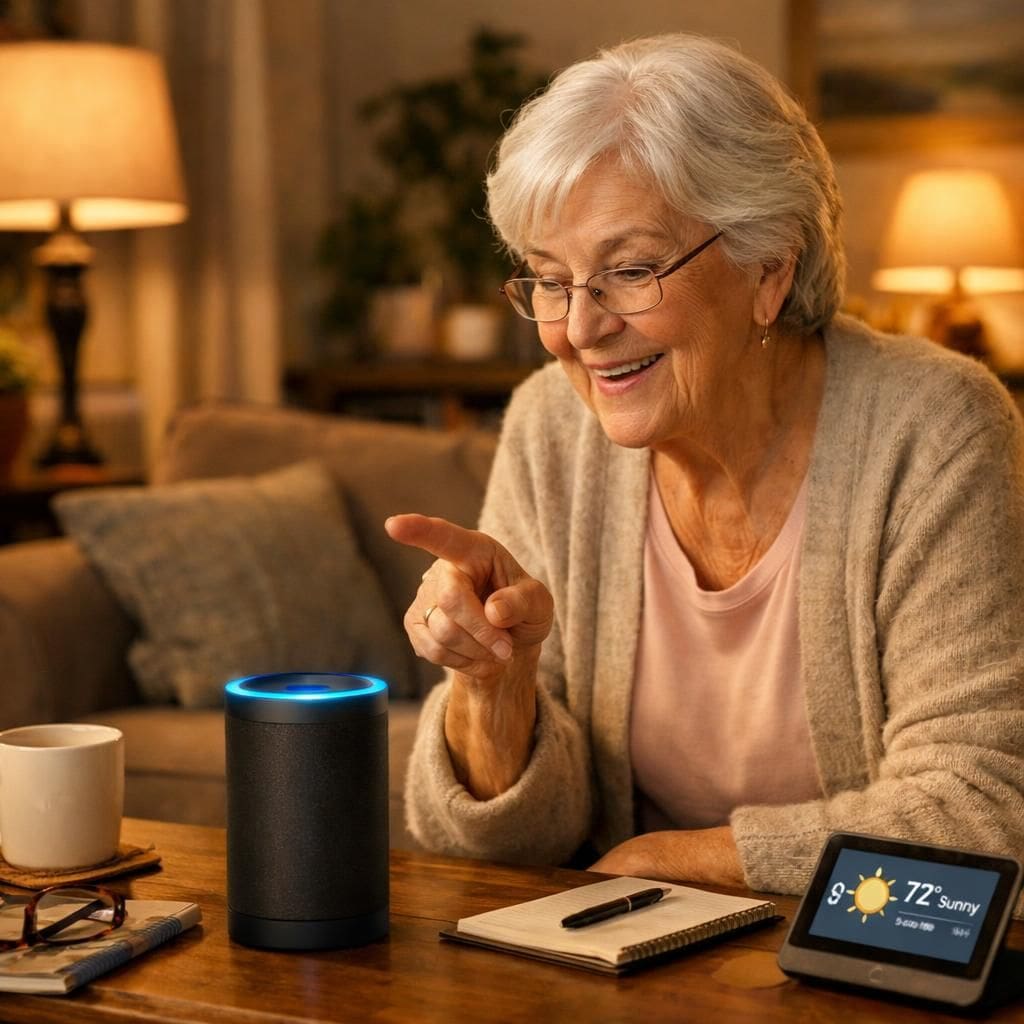
The Crucial Role of Voice Control Systems in Enhancing Senior Safety and Independence
For elderly residents, managing household tasks often becomes a challenge due to mobility or dexterity issues. Voice control systems address these difficulties by offering a hands-free solution to everyday chores. For example, locking doors or adjusting the heating without needing to move around can significantly reduce fall risks and injuries. Beyond physical safety, these systems provide cognitive and emotional support by playing music, audiobooks, or engaging in simple conversations, combating loneliness that many seniors endure.
Statistical insights reinforce the impact of voice control technologies. Nearly 60% of seniors express feeling safer knowing they can summon emergency assistance with voice commands. Medication reminders and schedule notifications provided by these assistants ensure seniors maintain health regimens, reducing hospital visits. Designing these systems with sensitivity to hearing and speech impairments is essential to maximize usability, ensuring that technology meets the varying needs of elderly users.
Key Advantages of Incorporating Voice Control Systems in Senior Living
The benefits of voice-controlled technology for elderly residents are vast and multifaceted. They empower seniors by providing enhanced autonomy; no longer reliant on others to perform simple tasks, seniors gain confidence and freedom in their daily routines. Safety improvements come through instant emergency calls and reduced risk of falls by controlling home environments without needing physical movement.
Ease of use is another major advantage. Voice commands eradicate the frustration of dealing with complex menus or non-intuitive apps, offering straightforward interaction that suits older adults’ needs. Additionally, these systems bring companionship through entertainment options, creating warmth and connection in otherwise quiet homes.
Top benefits summarized:
- Enhanced Independence: Manage household tasks with simple voice commands.
- Improved Safety: Instant connection to emergency services and environment control.
- Ease of Use: Minimal setup and intuitive operation for seniors of all tech backgrounds.
- Companionship and Engagement: Access to music, stories, and reminders combating isolation.
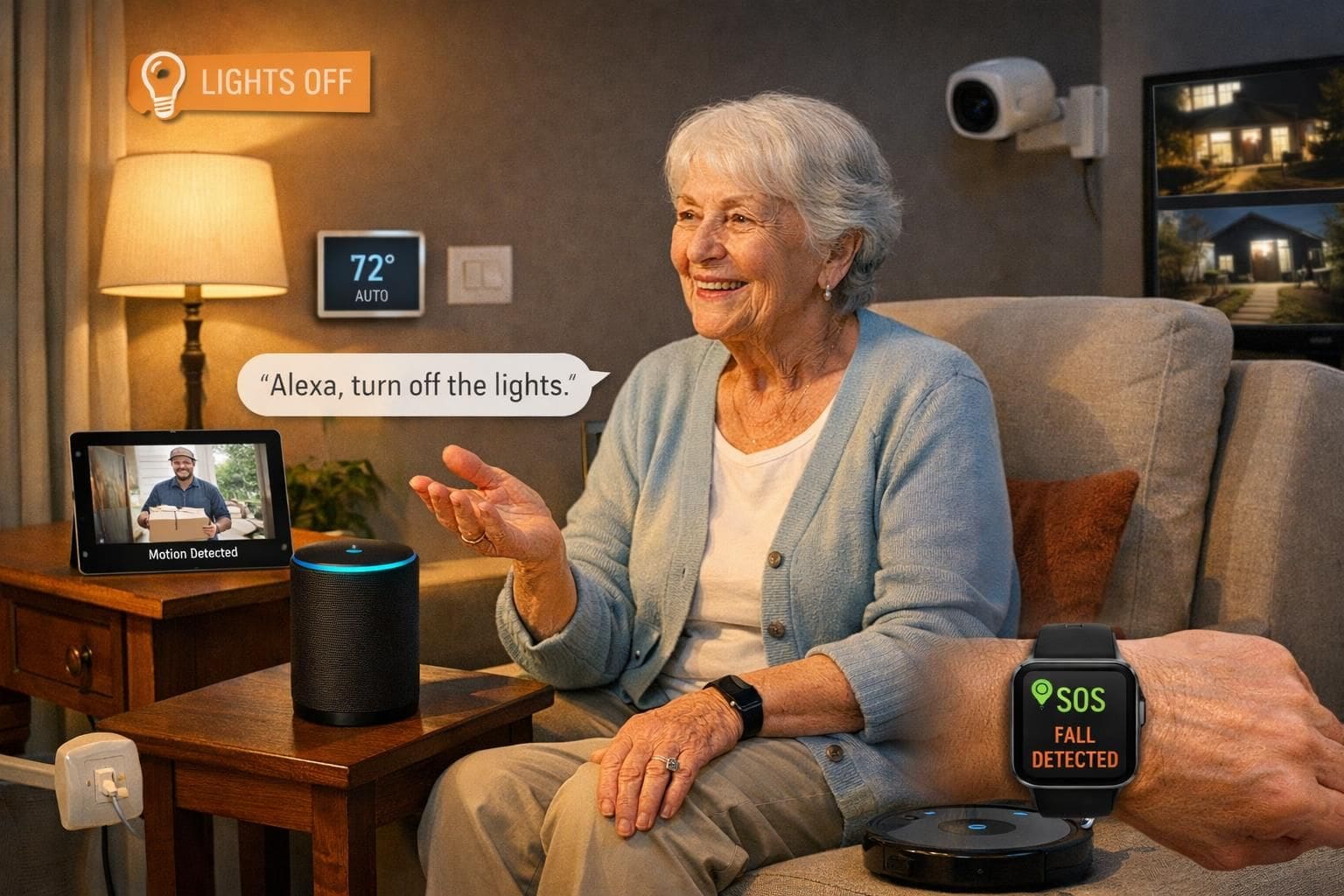
Best Practices to Choose and Set Up Voice Control Systems for Elderly Users
Selecting an appropriate voice control system involves evaluating clarity of audio output, simplicity of interface, and compatibility with existing smart home devices. Devices like Amazon Echo Dot and Google Nest Mini stand out due to their ease of setup, clear sound, and reliable customer support. Ensuring the device supports emergency features like hands-free calling is critical for senior safety.
Practical setup tips involve placing the device centrally for optimal access and connecting it to Wi-Fi and other smart appliances. Providing seniors with simple command sheets and guiding them through initial uses can significantly boost confidence and adaptation speed. Adjusting volume for hearing impairments and testing emergency functions create a sense of reliability crucial for continued use.
Overcoming Challenges: Accessibility, Privacy, and Adaptation in Voice-Controlled Homes
While transformative, voice control systems present challenges, especially for seniors with softer speech or hearing difficulties. Devices sometimes misinterpret commands, which can frustrate users. Complex setups may also overwhelm those unfamiliar with technology. Privacy concerns from data collection remain a barrier for some seniors and their families.
Addressing these issues requires choosing systems with adjustable sensitivity and customizable commands. Offering simplified setup guides or involving family members can ease technological hurdles. Privacy can be protected by disabling unnecessary data-sharing options and keeping software updated regularly. Such thoughtful approaches ensure voice control systems remain trustworthy and efficient tools for elderly residents.
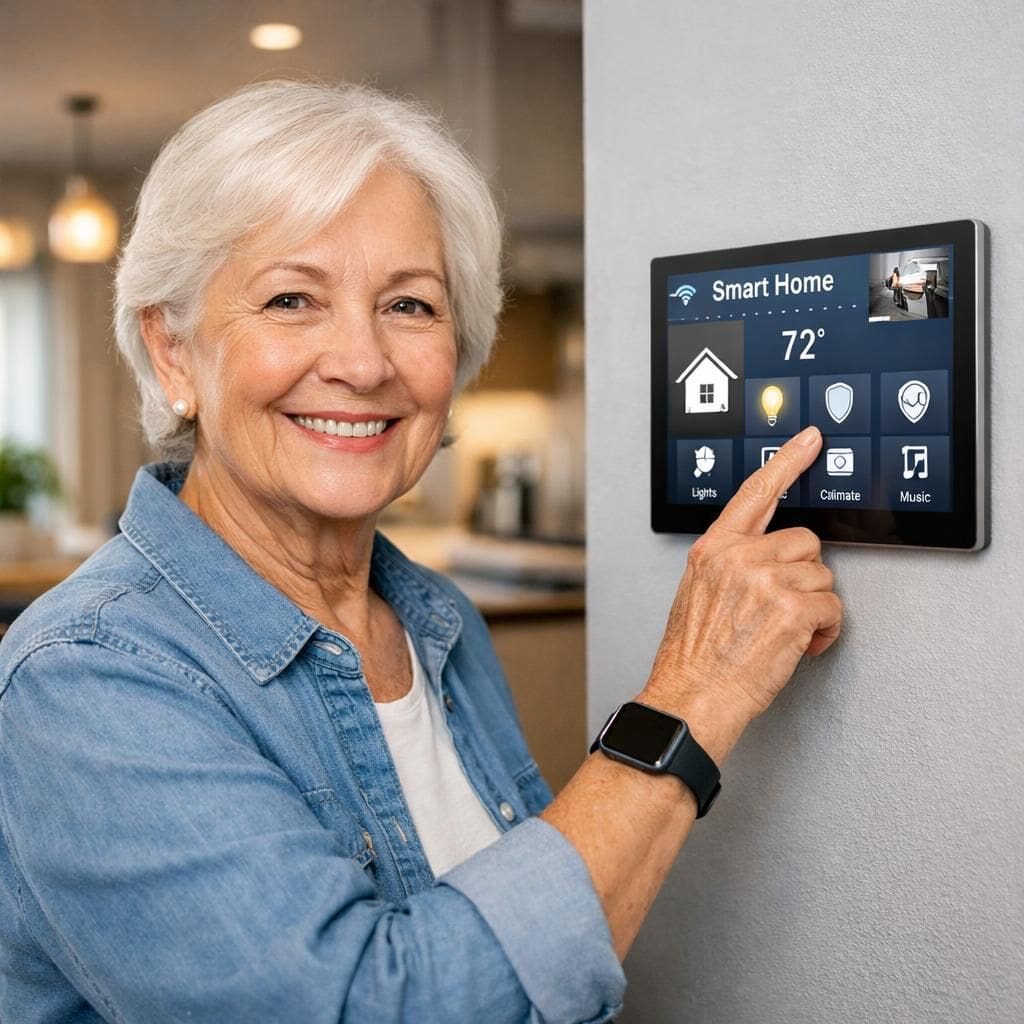
Looking Ahead: Innovations Shaping the Future of Voice Control for Elderly Safety
Emerging innovations point to an exciting future where voice control systems will incorporate AI-driven health monitoring, such as identifying speech pattern changes that signal health issues. Integration with wearable technology will enable real-time tracking of vital signs, elevating home safety to unprecedented levels. Predictions suggest that a significant majority of smart home devices will feature voice control within the coming decade, making it an essential component of senior living solutions.
Accessibility will remain a focal point, with multilingual support and enhanced adaptability for varied speech capabilities ensuring inclusivity. Continuous improvements in technology responsiveness promise even smoother interactions, allowing elderly users to maintain independence longer and with confidence. Staying informed and embracing these advancements will be key for families and seniors aiming to enhance quality of life through smart home safety.