
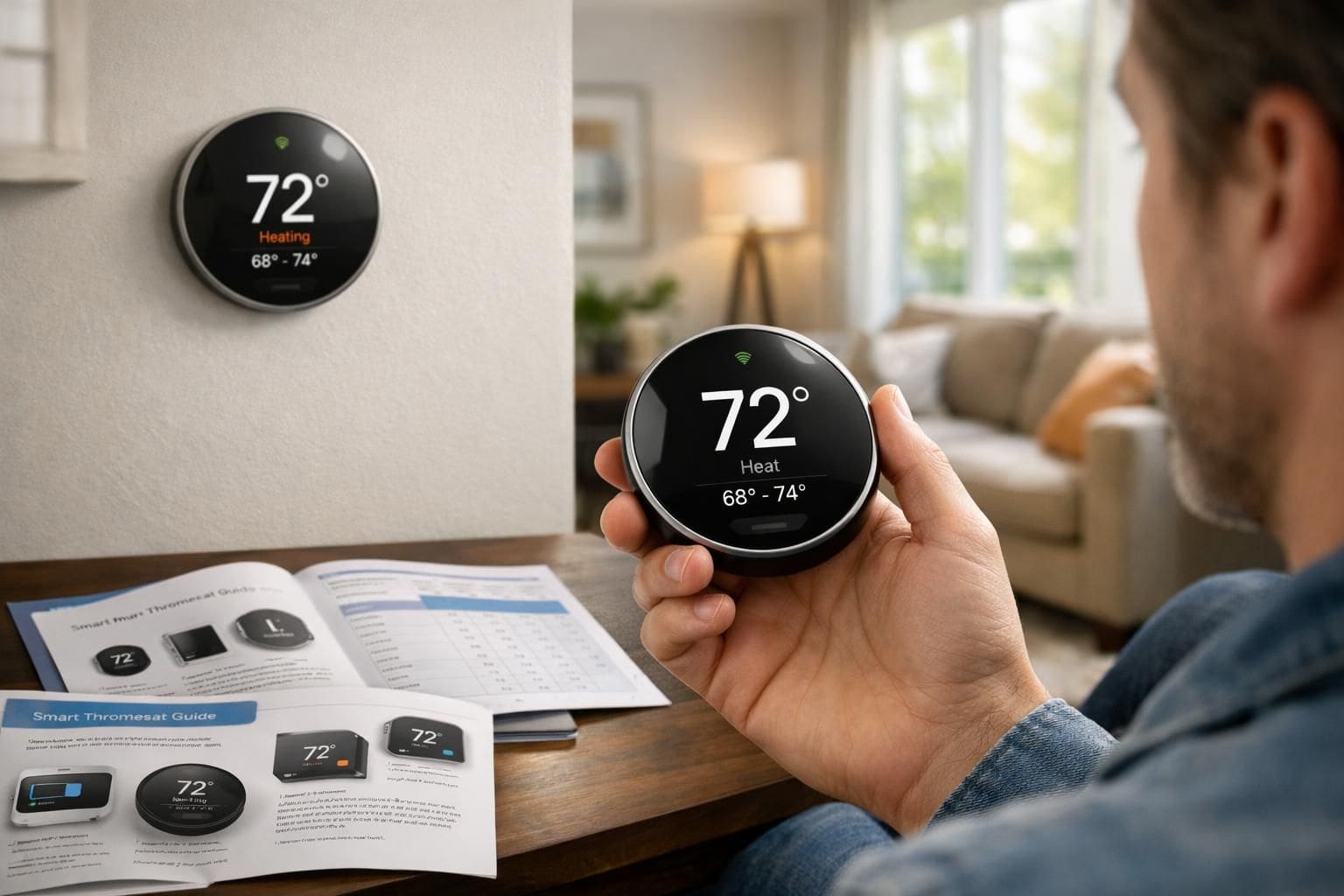
Smart thermostats have become an indispensable part of the modern home, blending advanced technology with everyday convenience to optimize comfort and reduce energy bills. As more households seek to integrate intelligent systems into their living spaces, understanding how to choose a smart thermostat is vital. Today’s models don’t simply adjust temperatures — they analyze habits, interact with other smart devices, and can even save homeowners up to 15% on cooling costs.
With a multitude of options available in 2025, selecting the ideal thermostat requires attention to compatibility, features, and budget. From the Google Nest Learning Thermostat’s adaptive schedule to Ecobee’s smart sensors and voice control capabilities, there’s a smart thermostat suited for every lifestyle. Whether renovating a home or upgrading an outdated system, harnessing the potential of these digital devices transforms how temperature control adapts to individual needs, all while supporting energy efficiency goals.
Understanding Compatibility: Matching Your HVAC System with the Right Smart Thermostat
Compatibility is the cornerstone of a successful smart thermostat installation. Not all thermostats function across every HVAC setup, making it essential to verify alignment with your home’s system type—be it ducted heating, heat pumps, boilers, or ductless mini splits. Intelligent thermostats like Nest and Honeywell offer broad compatibility ranges, but certain features might be restricted depending on HVAC configuration.
For homes equipped with ductless units or window ACs, specialized mini-split thermostats act as smart controllers, replacing infrared remotes for seamless automation. Additionally, wiring considerations—especially the presence of a common wire (C-wire)—can determine whether your smart thermostat receives continuous power, influencing device performance and functionality.
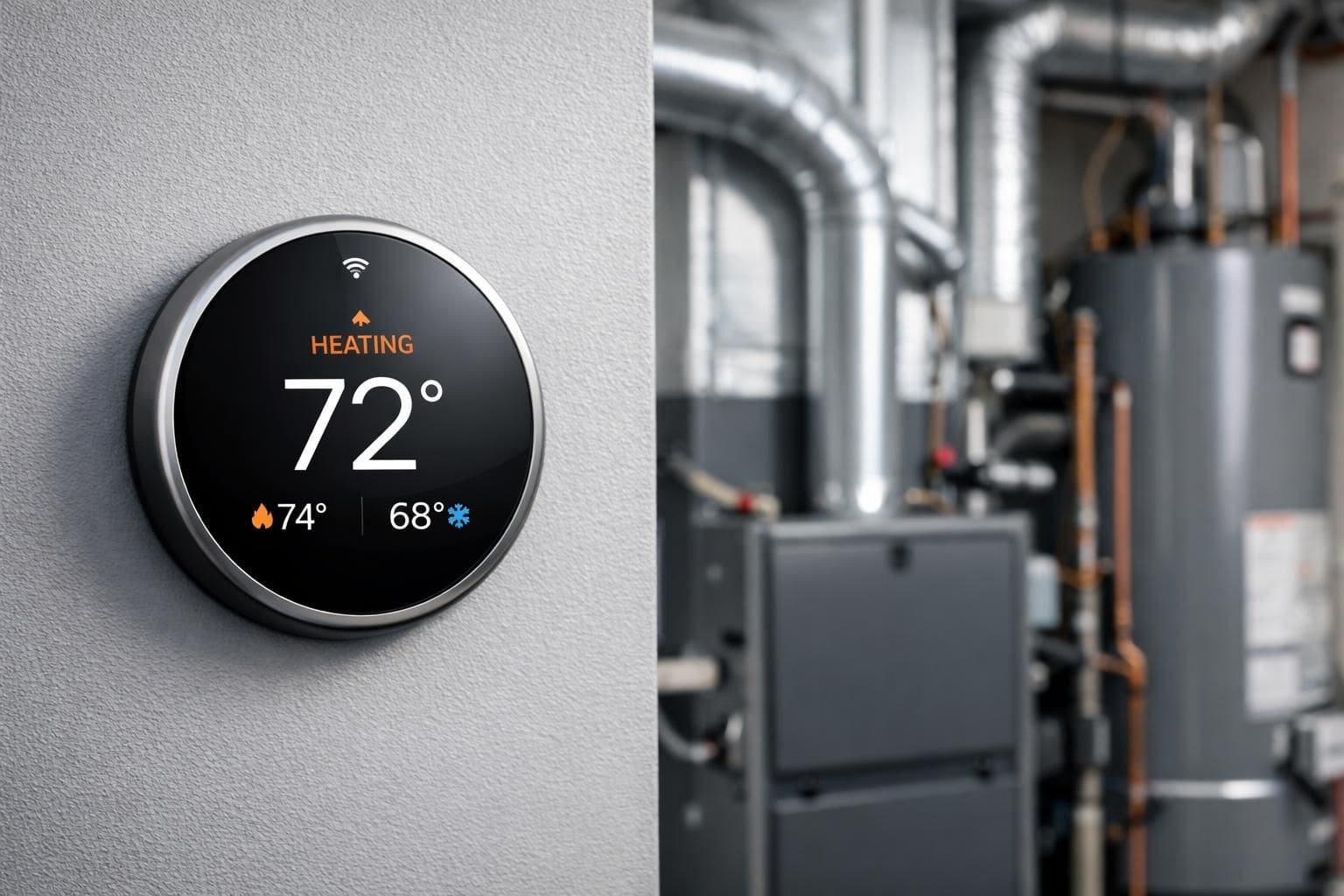
Essential Features to Prioritize for Maximum Efficiency and Comfort
The variety of smart thermostat features may seem overwhelming, yet focusing on those that optimize user convenience and energy savings is crucial. Key attributes include remote control through smartphone apps, voice assistant compatibility, automated schedules shaped by learning algorithms, and geofencing to detect when occupants leave or return home.
Multi-room sensing also enhances climate balance by monitoring temperatures across different spaces, allowing better zoned heating or cooling. Some thermostats excel at integrating with broader smart home ecosystems, permitting coordinated automation with lighting and security systems for a truly connected residence.
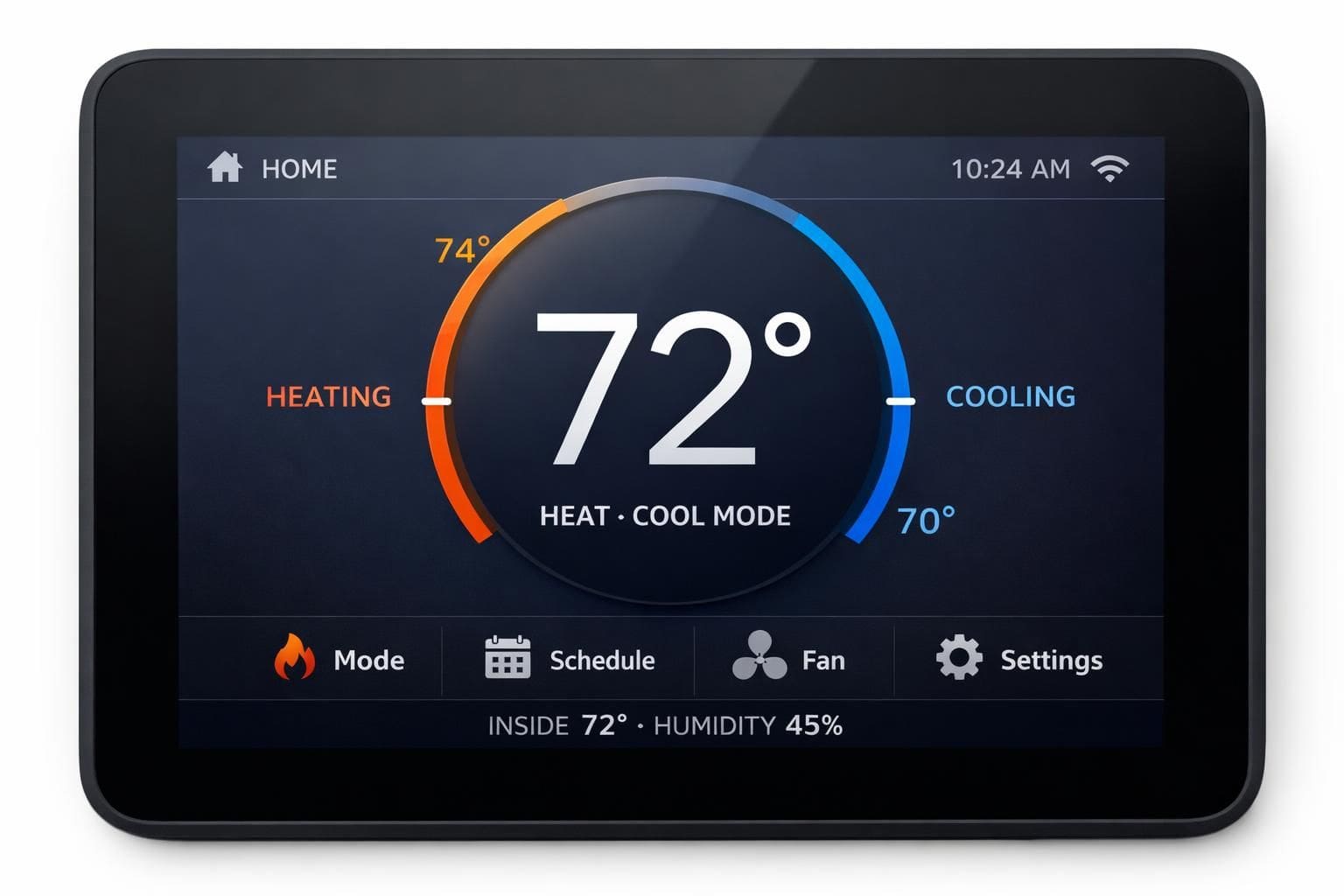
- Remote access: Adjust your home’s temperature from anywhere.
- Voice control: Use assistants like Google Assistant or Amazon Alexa.
- Learning algorithms: Thermostats adapt schedules based on your routines.
- Geofencing: Automatic temperature adjustments triggered by your location.
- Multi-room sensors: Ensure comfort in all areas of your home.
Budgeting for Savings: Evaluating Cost Versus Energy Efficiency
Investing in a smart thermostat often pays dividends over time through lower energy bills. While prices vary—from budget-friendly models like the Amazon Smart Thermostat to premium choices such as the Ecobee SmartThermostat—considering Certified ENERGY STAR devices guarantees verified energy efficiency, with potential annual savings of around 8% on heating and cooling costs.
Upfront costs can be balanced against these savings, especially with features like adaptive scheduling and occupancy detection reducing unnecessary heating or cooling. Additionally, some utility companies offer rebates or incentives that further improve the financial case for upgrade.
Simple Installation: DIY or Expert Assistance?
Many modern smart thermostats boast user-friendly installation processes, often guided by detailed manuals or app-based instructions. However, professional installation can ensure optimal calibration, positioning, and network integration. Experts can also resolve compatibility issues and verify adequate wiring setup, including adding or adapting a C-wire if absent.
Proper installation not only maximizes functionality but prevents early complications, delivering a seamless user experience from the outset. Trusted providers such as Geeks on Site specialize in swift, professional thermostat setup, alleviating common setup challenges.
Troubleshooting to Keep Your Smart Thermostat Running Smoothly
Despite their advanced design, smart thermostats can encounter occasional issues. Connectivity problems often arise from weak WiFi signals or router glitches; simple restarts can resolve such instances. Inaccurate temperature readings may result from poor thermostat placement, such as exposure to sunlight or drafts, requiring repositioning or recalibration.
Integration concerns—like voice assistant permissions or app connectivity—demand checking settings both in the thermostat app and associated smart home platforms. Understanding these common fixes fosters confidence in managing your home’s climate intelligence.