
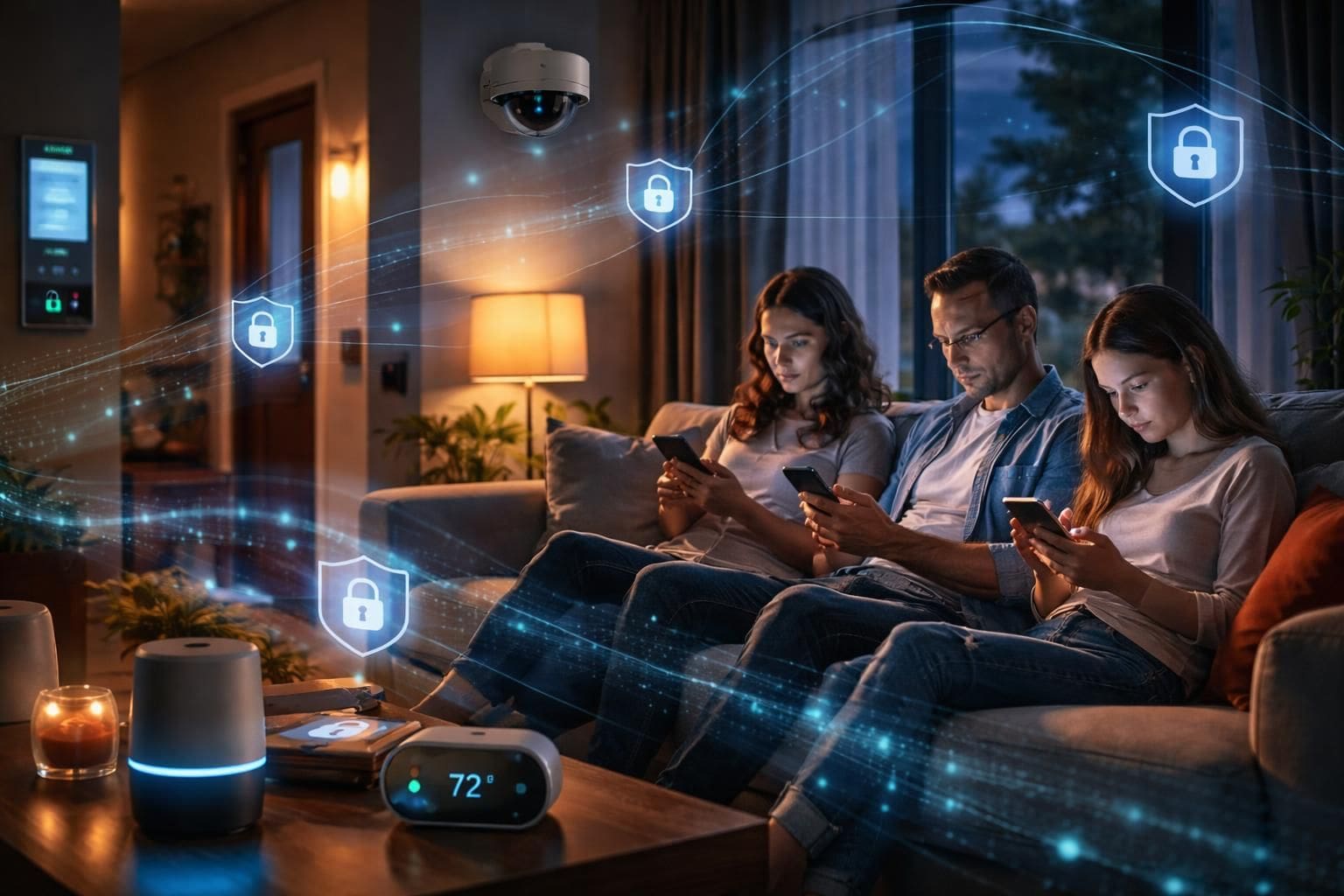
Modern smart homes, while transforming everyday living into a seamless, automated experience, come with intricate privacy considerations that every user should understand. These connected devices silently gather an extensive array of personal data—ranging from voice commands and video footage to precise locations and health metrics. Such comprehensive data collection enables tailored experiences but also builds detailed profiles reflective of personal habits and preferences. This creates significant concerns about who accesses this information and how securely it is guarded. As smart device adoption surges across households, grasping the complex web of data mapping and the potential risks to privacy becomes crucial for every homeowner.
Amazon Alexa and Google Home stand out as leaders in this space, pulling in dozens of data points per user, including contacts, browsing histories, and multimedia content. Even more surprising are seemingly simple appliances, like smart coffee makers, which track eight or more data points and interact with third-party networks. Despite the convenience these devices offer, privacy experts warn against unchecked data sharing, with many consumers fearing unauthorized third-party access or breaches. In fact, surveys reveal that a majority of U.S. users harbor concerns about data security within their smart environments, underscoring a pressing need for transparency and robust protection strategies as smart homes increasingly blend into daily life.
Navigating the Vast Data Landscape in Smart Homes
Every gadget in a smart home contributes to a vast collection of personal data. Lights, thermostats, door sensors, and voice assistants collaborate to silently monitor routines, movements, and environmental changes. This interconnected network continuously updates local hubs and cloud platforms with detailed logs—tracking motion events, device usage, and even temperature shifts—to anticipate the homeowner’s needs. However, this data doesn’t exist in isolation; identifiers and timestamps create sequential activity profiles that reveal intimate behavioral patterns.
Voice-activated devices temporarily buffer audio to catch commands, while cameras transmit real-time visuals. Smart thermostats log occupancy to efficiently manage energy consumption, and connected plugs keep records of power cycles. Companion apps often request access to location and network information to synchronize devices seamlessly. Yet, such broad permissions can inadvertently create privacy vulnerabilities, especially when sensitive behavioral and health-related data are aggregated across platforms.
How Device Ecosystems Share and Use Your Data
Data sharing in smart homes often happens under the radar. Large tech companies gather and merge diverse data sets, employing this information not only to enhance device functionality but also to tailor advertisements and user experiences. This practice frequently involves sharing insights with third parties, sometimes without explicit user consent, which has sparked substantial privacy debates. The ability of devices to silently monitor and transmit continuous streams of data represents both an asset for personalized living and a potential avenue for misuse.
One exemplary concern is that smart speakers have been found recording up to 43% of daily conversations, far more than their intended interaction scope. From a privacy standpoint, this raises questions about long-term data retention, consent, and security safeguards. Each new device integrated into the home amplifies the data volume and, thus, the risk surface, making it vital for users to scrutinize what permissions they grant and how data flows between devices and services.
Practical Steps to Enhance Your Smart Home Privacy
Protecting privacy in a smart home starts with understanding device permissions and network configurations. Changing default passwords, enabling two-factor authentication, and scheduling regular firmware updates form the cornerstone of security hygiene. Moreover, isolating smart devices on separate Wi-Fi networks can prevent a compromised gadget from unlocking your entire home network. Given the complexities of device ecosystems, ongoing vigilance is necessary to monitor unusual activity and revoke unnecessary app permissions.
Users should also be aware of how their data is handled by third parties by reading privacy policies and preferring products that comply with transparent standards. Opting for devices carrying verified cybersecurity labels is increasingly important as the market grows, helping homeowners filter options based on proven privacy safeguards. This blend of technical measures and informed choices creates a resilient defense without sacrificing the ease of smart living.
- Change default credentials immediately upon device installation to block easy unauthorized access.
- Separate your smart devices on a guest Wi-Fi network, limiting exposure to main devices.
- Keep firmware updated either manually or via automatic updates to patch vulnerabilities.
- Review app permissions regularly, disabling access no longer necessary for device functionality.
- Enable multi-factor authentication where available for an extra layer of account protection.
Real-World Examples of Privacy Breaches
Instances of unauthorized smart home intrusions illustrate how weak setups can jeopardize privacy. For example, researchers demonstrated how a beam of light aimed at a smart assistant’s microphone can issue silent commands, potentially triggering actions without voice detection—a startling method exploiting overlooked hardware traits.
Families have reported unauthorized voices and camera movements within nurseries, often traced back to reused passwords and cross-service account vulnerabilities. Similarly, flaws in wireless protocols for smart lighting allowed malware to infiltrate home networks via a compromised light bulb. These cases emphasize the importance of avoiding default settings and ensuring tight control over home automation platforms.
Understanding Legal Protections and User Rights
Legislation is catching up with technology, offering some safeguards for smart home data, especially in various U.S. states where users now have rights to access, correct, and opt out of data sales. Companies must adhere to transparency and security standards, yet enforcement and scope vary considerably. Awareness of these laws empowers homeowners to demand better practices and make informed device choices.
Despite these protections, compliance gaps remain, underscoring the continuing need for users to actively engage in managing their privacy settings and device configurations. Embracing proactive security behavior complements legal frameworks, fostering a safer and more private smart home environment.
For those eager to explore innovative ways to optimize their connected spaces, delving into automation ideas for every room opens a world of customization. Understanding how to properly integrate and manage devices is further enhanced by resources like smart home hubs explained, which clarify the central role of control devices. Choosing between different communication protocols can be simplified by comparing Zigbee, Z-Wave, and Wi-Fi technologies, ensuring compatibility and efficiency. To manage and energize your gadgets better, insights on smart plugs and their functionality provide practical value, while comprehensive analyses like the home automation systems comparison guide help tailor choices to specific needs and security preferences.