
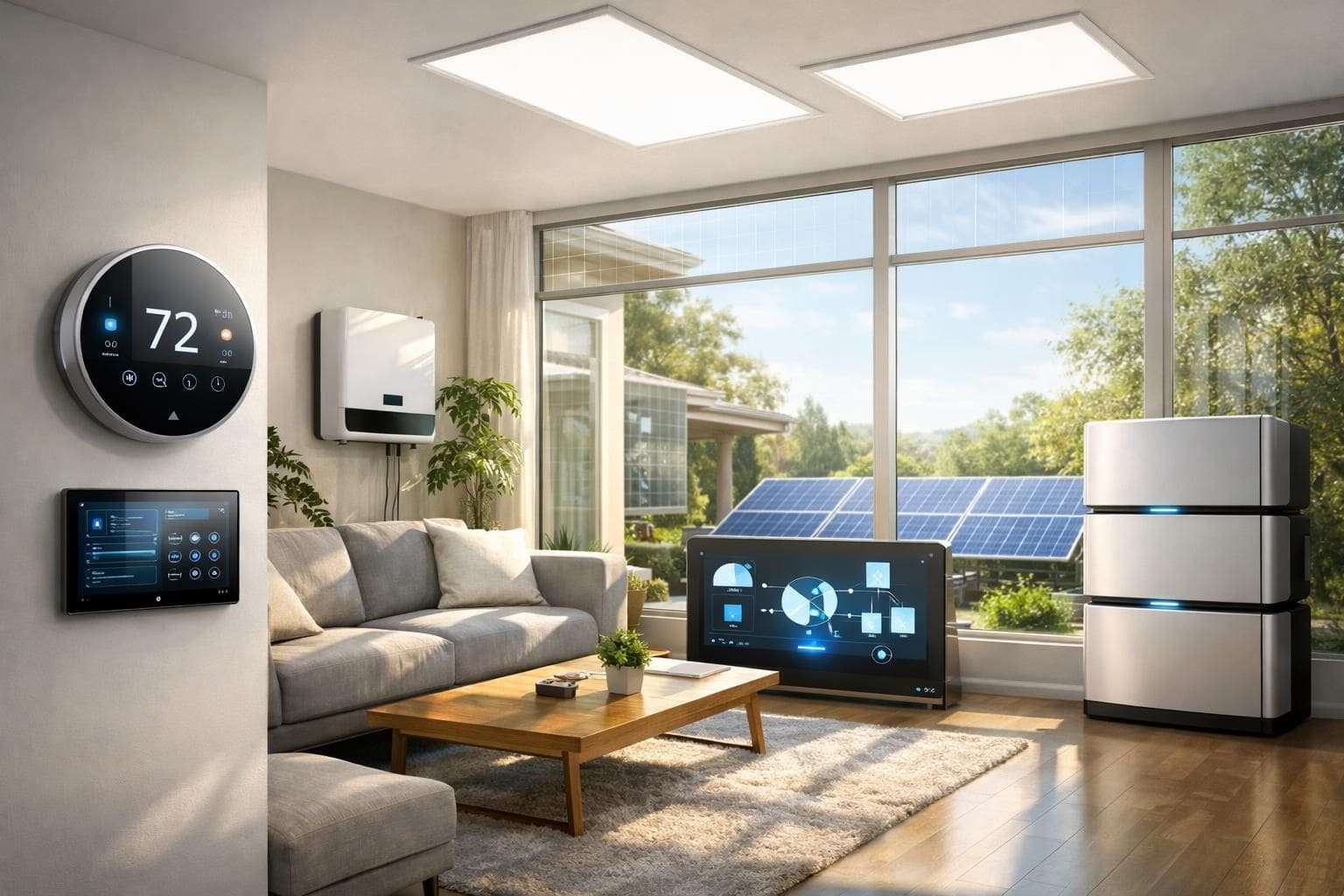
As energy prices steadily climb and environmental concerns grow, 2025 marks a pivotal year for homeowners seeking to optimize energy consumption without sacrificing comfort. Advances in smart home technologies have made it easier and more affordable to automate energy-saving routines, transforming traditional households into efficient hubs. From intelligent thermostats learning daily habits to integrated smart plugs curbing phantom energy waste, these innovations not only reduce utility bills but contribute significantly to sustainable living. With a diverse range of devices tailored to fit various budgets and home setups, adopting an energy-efficient lifestyle is now more accessible than ever before.
The appeal of energy-saving gadgets lies in their capacity to seamlessly integrate into daily life while providing real-time insight and automation. For example, smart energy monitors give precise feedback on where energy is consumed excessively, enabling informed adjustments. Meanwhile, smart lighting solutions adjust brightness and activation based on occupancy, creating ambiance and savings simultaneously. The growth of connectivity standards like Matter 1.3 further enhances interoperability, allowing devices from different manufacturers to work together harmoniously. This interoperability, combined with machine learning capabilities, drives forward the future of smart homes designed to respect both financial and ecological priorities.
Understanding the Role of Smart Thermostats in Reducing Energy Consumption
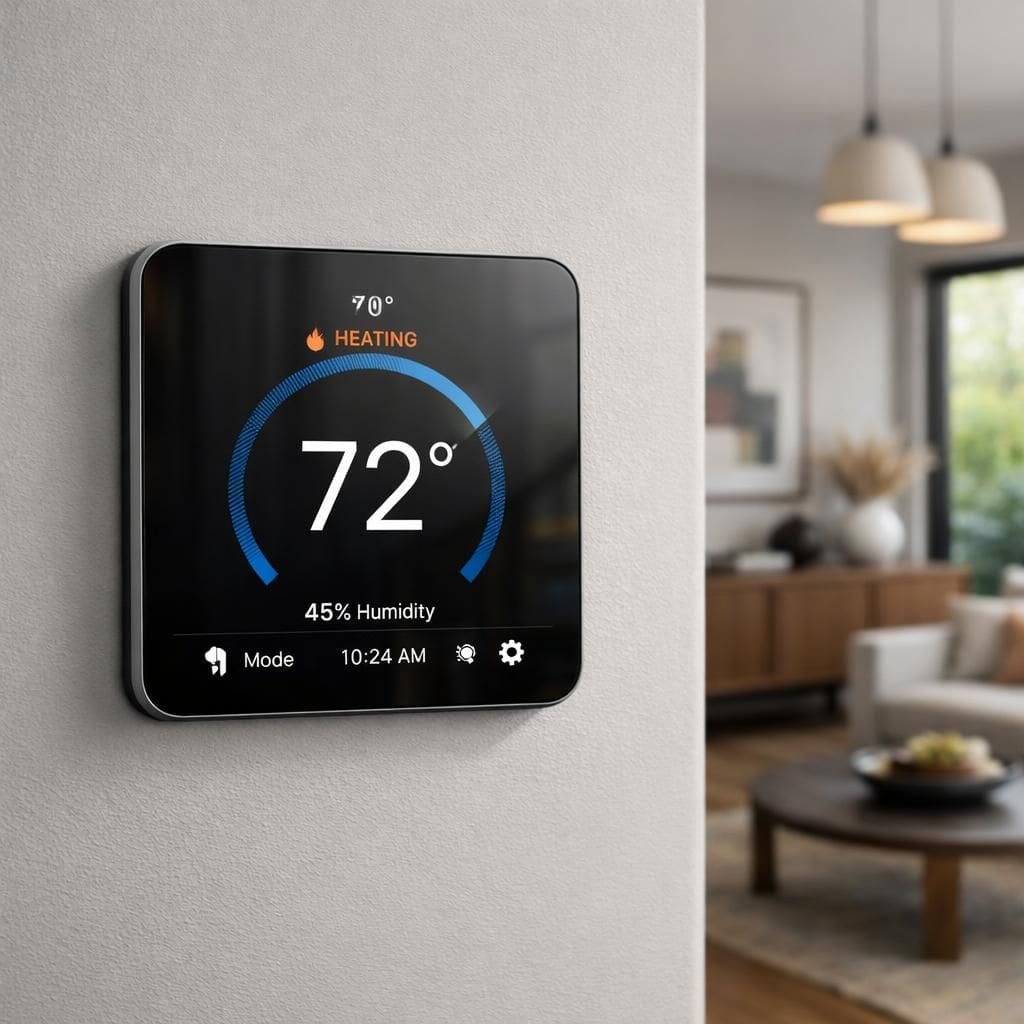
Smart thermostats have emerged as cornerstone devices in the quest to diminish home energy usage effectively. These systems do more than simply allow remote temperature controls; they learn the lifestyle patterns of occupants to tailor heating and cooling schedules dynamically. By automatically adjusting settings when rooms are unoccupied or during nighttime hours, they can reduce unnecessary energy expenditure considerably.
In 2025, smart thermostats like the Ecobee SmartThermostat Premium and the Google Nest Learning Thermostat continue pushing boundaries with enhanced machine learning algorithms. For instance, Ecobee’s model incorporates remote sensors to detect temperature variances in multi-room settings, ensuring uniform comfort while minimizing overuse. Though these devices require an upfront investment—typically around $250—the potential savings, which can be as much as $150 annually on heating and cooling, demonstrate a payback period typically under two years.
Beyond individual savings, these intelligent thermostats support grid reliability by adapting to utility signals for demand-response events, which helps stabilize the electrical grid during peak usage times. This feature translates into not only cutting costs for homeowners but also benefiting the larger community by reducing grid strain. The incorporation of smart thermostats represents a strategic step in modern home automation systems that blends user comfort with sustainability.
Smart thermostats stand out due to their ease of integration within broader home automation ecosystems. Homeowners can combine them with other smart devices to create a holistic setup that manages lighting, appliances, and temperature collectively, transforming energy consumption into a fully optimized process. Guidance on selecting the right thermostat, tailored to individual needs and HVAC systems, can be found in resources such as how to choose a smart thermostat for effective home automation deployment.
Smart Lighting Systems: Balancing Ambiance and Energy Efficiency
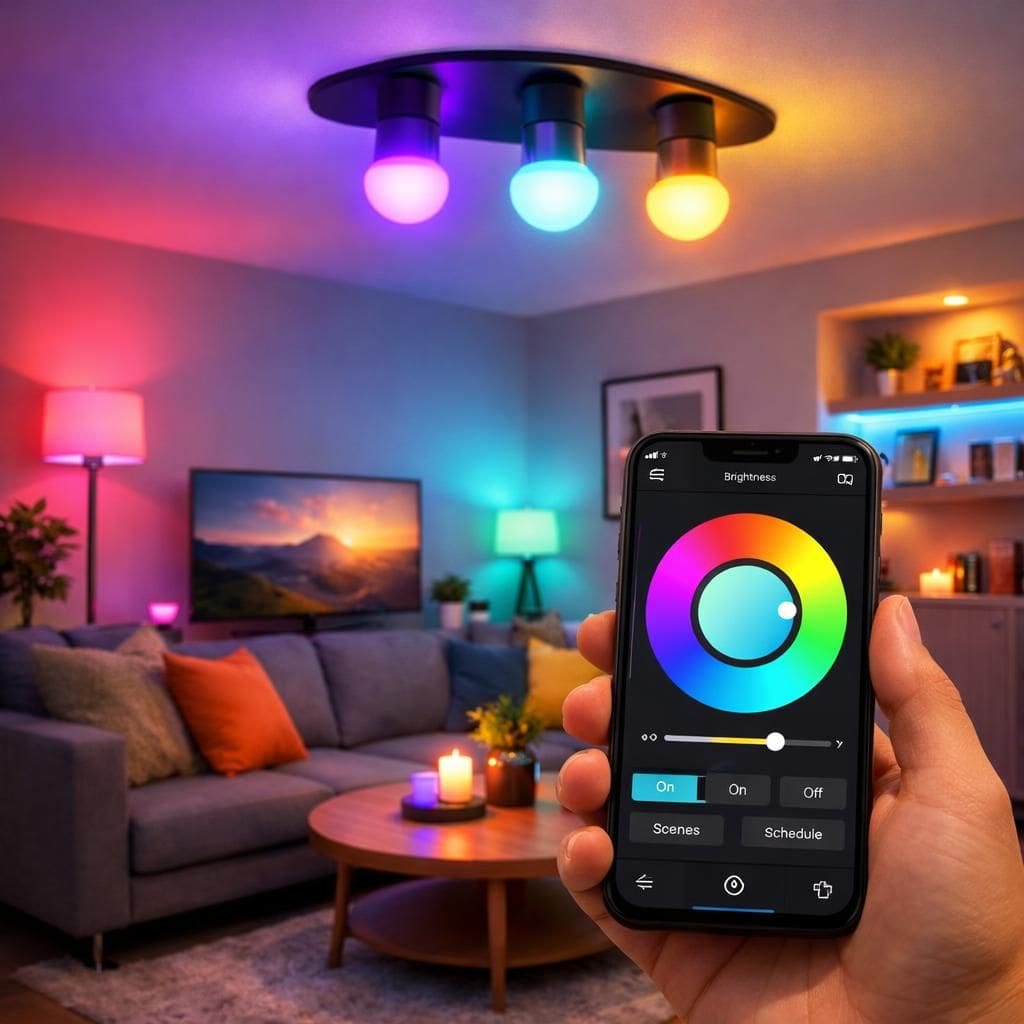
Lighting accounts for a substantial portion of residential electricity consumption, making smart lighting systems a practical investment in 2025. These solutions offer the dual benefit of enhancing indoor ambiance while slashing electricity bills through precise control and scheduling. By using LED technology combined with smart sensors, homeowners can achieve up to 15% savings on lighting costs.
Leading smart lighting kits like the Philips Hue Starter Kit enable full customization of light color and brightness through mobile apps. Users can program schedules so that lights automatically turn off when rooms are unoccupied or adjust brightness to natural daylight levels, preventing excess usage. For those with budget constraints, the Wyze Bulb Color delivers excellent color variety at a lower price point, although with somewhat limited integration capabilities.
Smart lighting’s energy efficiency stems from both the superior longevity of LED bulbs, which consume significantly less energy than traditional incandescent lighting, and the automation that eliminates waste. Integrations with motion sensors also contribute by switching lights off if no movement is detected in a room for a predefined period. This straightforward automation addresses a common source of unnecessary energy use: forgetfulness.
Innovations extend beyond bulbs to include smart light switches like the GE CYNC Smart Light Switch, which replace traditional switches and allow homeowners to integrate lighting control into voice assistants and automation routines. This type of seamless integration exemplifies advancements in smart home technology, enabling energy-conscious decisions without compromising on convenience or style.
Key Benefits of Modern Smart Lighting
- Remote Access: Control lighting anywhere with smartphone apps.
- Automation: Set routines to optimize light usage throughout the day.
- Energy Monitoring: Some systems offer insights into electricity consumption.
- Enhanced Ambiance: Customize colors and brightness for mood or occasion.
- Compatibility: Work smoothly with popular smart home ecosystems.
Smart Plugs and Energy Monitors: Tackling Standby Power Use
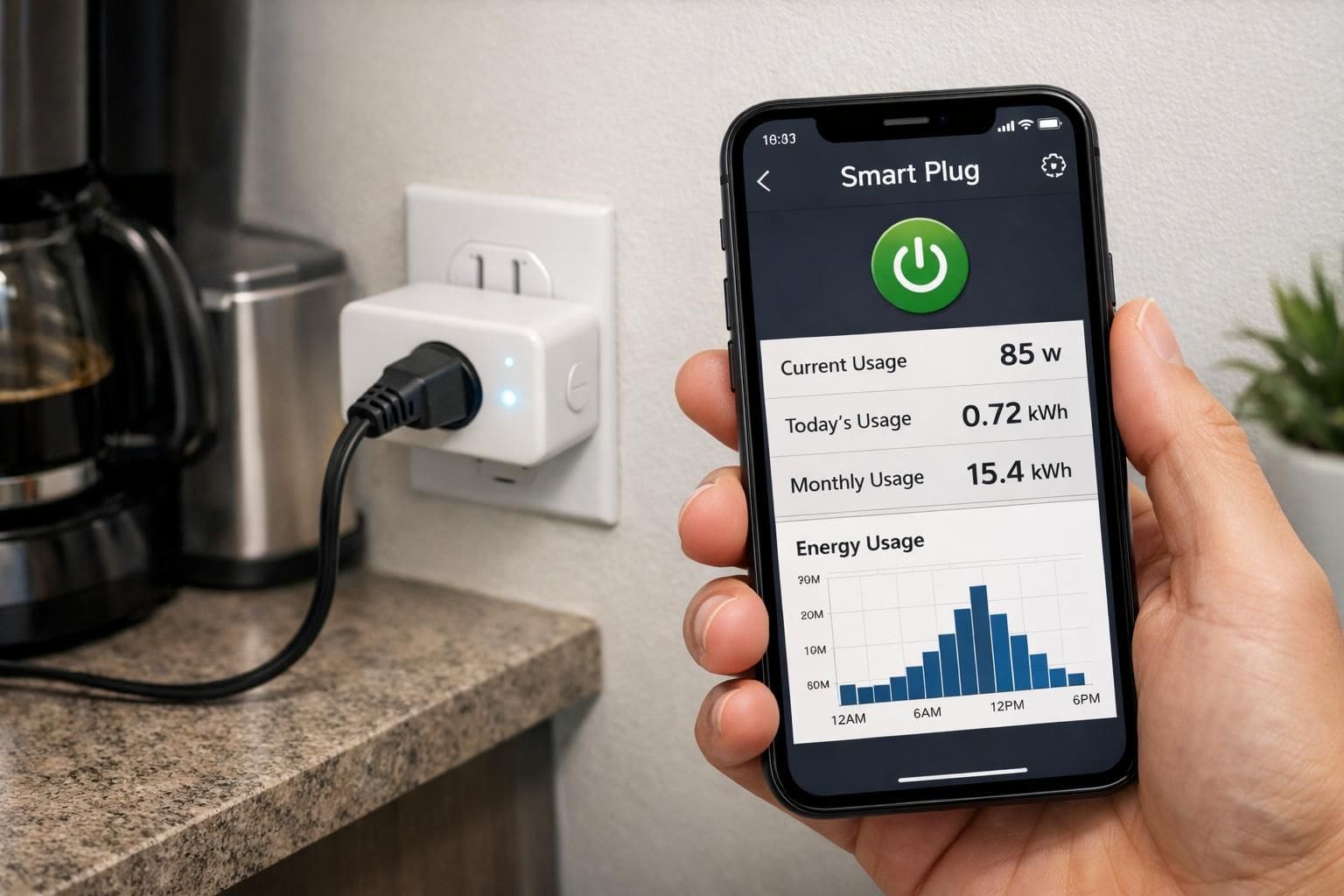
Standby power, often termed « energy vampires, » is the electricity consumed by electronic devices even when turned off. In 2025, smart plugs and advanced energy monitoring systems are critical tools for homeowners aiming to eliminate this hidden waste. By remotely controlling outlets and scheduling power-down times, these devices enhance overall home energy efficiency.
Smart plugs such as the Kasa Smart Plug Ultra Mini and Wyze Plug enable users to switch appliances off completely, preventing phantom drainage. The Kasa model, despite its compact size, supports remote scheduling and integrates with both Amazon Alexa and Google Home, illustrating how convenience and savings can coexist. Similarly, power strips equipped with energy monitoring functions can segment and shut down individual devices, further extending control capabilities.
Complementing these hardware options are sophisticated energy monitors like the Sense Energy Monitor and Emporia Vue. These systems provide granular data by identifying energy consumption per device or circuit in real-time. Having such insight empowers homeowners to pinpoint inefficient devices and adopt corrective measures immediately.
Empowered with detailed analytics, homeowners can configure their smart home ecosystem to power down non-essential appliances during peak rates or inactive hours, substantially trimming their monthly bills. These smart monitoring devices also generate alerts about unusual activity, flagging potential faults early and preventing energy waste due to malfunctioning equipment. For comprehensive information on smart home energy management, resources like home automation systems comparison guide provide valuable insights.
Emerging Energy-Saving Technologies Shaping Homes in 2025
As innovation accelerates, several new energy-saving inventions promise to redefine residential energy consumption strategies further. These technologies encompass enhanced insulation materials, smart HVAC vent controls, and intelligent window treatments that dramatically improve thermal regulation.
New insulative materials made from recycled textiles, glass wool, and natural fibers such as bamboo or sheep’s wool offer sustainable and effective thermal barriers, reducing heating and cooling needs. Coupling these with smart HVAC vents allows for selective air distribution tailored to room occupancy and conditions, preventing energy wastage on empty spaces. Devices like the Flair Smart Vent permit homeowners to customize airflow room-by-room, significantly augmenting system efficiency.
Additionally, smart window treatments such as Lutron Serena Smart Shades and IKEA FYRTUR Blackout Roller Blinds automate light and temperature control by adjusting position based on weather or time of day. This automation minimizes heat gain during summer and heat loss in winter, which can sweeten savings up to 15% on cooling and heating expenses. Their integration with smart home systems further enhances ease of use and energy optimization.
Cutting-edge heat pump technologies now feature improved efficiency through variable-speed compressors and dual-source capabilities (including geothermal options). This progress reduces reliance on traditional energy-intensive HVAC systems. Homeowners embracing these innovations find that combining smart automation with advanced physical improvements offers the most comprehensive energy-saving potential.
In summary, race toward green innovation continues with practical, accessible solutions that every homeowner can deploy. The future emphasizes collaboration between hardware, software, and sustainable materials to craft homes that are not only comfortable but also conscious stewards of energy.
- Recycled and renewable insulation materials improve environmental impact while maintaining thermal comfort.
- Smart HVAC vents deliver targeted climate control, cutting down unnecessary energy use.
- Automated window treatments balance natural light and temperature to optimize energy consumption.
- High-efficiency heat pumps provide greener alternatives for heating and cooling needs.
- Integration across devices ensures a cohesive, user-friendly smart ecosystem.
Explore comprehensive details on the latest energy-saving devices in 2025 for a deeper dive into these trends and products.