
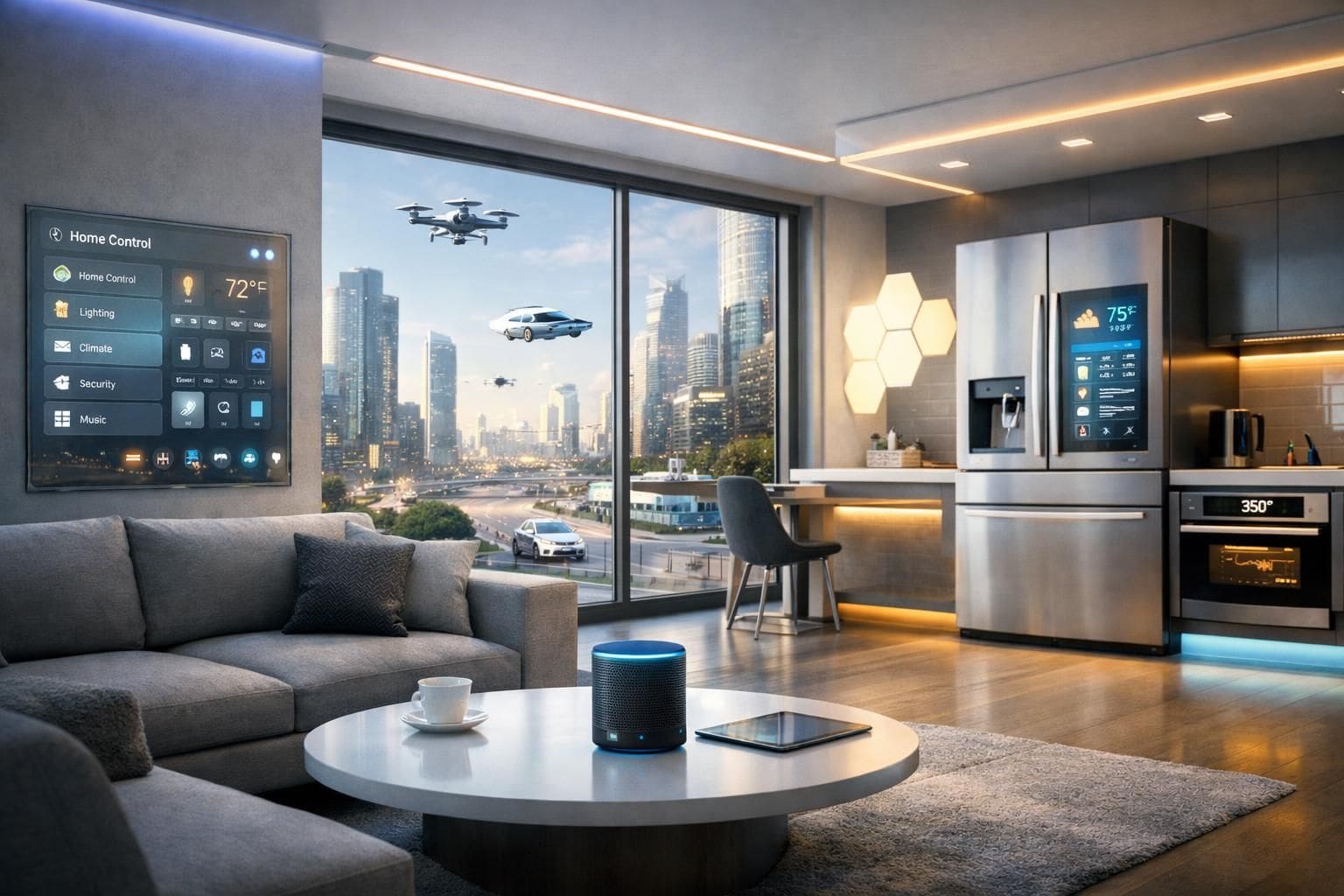
The evolution of residential living is being profoundly shaped by smart home technologies, revolutionizing the way people interact with their immediate environment. As the Internet of Things (IoT) continues to expand, homes are becoming more than mere shelters; they transform into centralized hubs of automation, security, and efficiency. This transformation not only offers convenience but also raises the bar for energy conservation, security measures, and personalized experiences. The integration of various interconnected devices enables homeowners to control everything from lighting and heating to security systems remotely through smartphones or voice-activated assistants, marking a significant paradigm shift in everyday living.
By 2025, the smart home market is projected to surpass $146 billion worldwide, with nearly half of American households expected to incorporate at least one smart device. These figures highlight a substantial adoption rate powered by advancements in AI, IoT connectivity, and wireless communication protocols. The increasing integration of these technologies is setting the stage for future developments that elevate user interaction, enhance energy management, and reinforce home security infrastructures. Innovations like AI-driven automation and intelligent device ecosystems are also addressing longstanding challenges, offering new ways to tackle interoperability and privacy concerns, and delivering more intuitive control systems.
Core Components and Features Defining Smart Home Integration
At the heart of smart home integration lies the concept of interconnected devices operating seamlessly within a home environment to optimize daily living. Central to this system are smart appliances ranging from lighting controls and thermostats to security cameras and entertainment units. These devices are linked through IoT technology, which allows them to communicate data and respond to commands individually or collectively. Through such interconnectivity, users gain the ability to manage their homes remotely, either via mobile applications or voice commands facilitated by digital assistants like Amazon Alexa or Google Assistant.
One of the fundamental features of smart home systems is remote control functionality, which empowers users to adjust thermostats, lighting, and even security measures irrespective of their physical location. Beyond remote access, automation plays a pivotal role by learning user behaviors and preferences, thereby enabling devices to function autonomously. For example, heating and cooling systems may adjust temperature settings according to occupancy patterns, significantly reducing energy waste. Similarly, motion-activated lighting optimizes illumination only when necessary, blending convenience with sustainability.
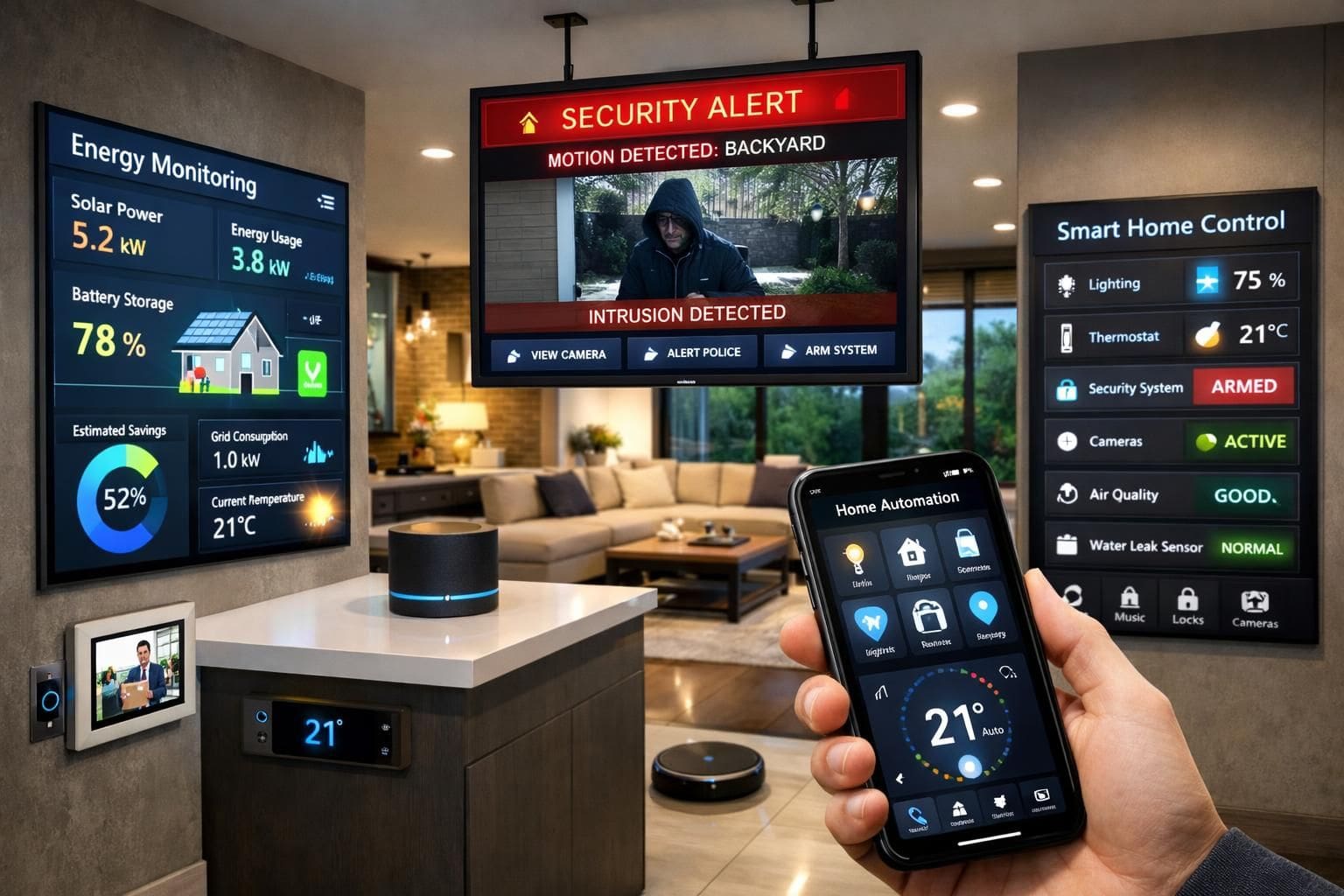
Enhanced security features also form a critical pillar of smart home ecosystems. Internet-connected cameras, smart doorbells, and motion sensors continuously monitor premises, sending real-time notifications and alerts in case of suspicious activities. These technologies not only enhance safety but also provide peace of mind to homeowners, especially those with frequent travel schedules. The ability to integrate multiple security devices into a centralized control panel streamlines monitoring and response, making home protection more effective and manageable.
Energy efficiency is another salient advantage, achieved through sophisticated energy management systems that regulate consumption by interfacing with smart meters and optimizing the use of lights and appliances. By dynamically adapting to the environment and usage habits, homes can minimize unnecessary energy expenditure, supporting both reduced utility costs and environmental impact. For instance, smart irrigation systems adjust watering schedules based on weather data, conserving water without sacrificing garden health.
Benefits of Smart Home Features Include:
- Remote control and monitoring of household devices via smartphones or tablets
- Automation that adapts to user schedules and preferences
- Improved energy efficiency through optimized use of appliances and lighting
- Advanced security with real-time alerts and remote access capabilities
- Integration of various devices for seamless and centralized management
Technological Innovations Driving the Evolution of Smart Homes
Technologies underpinning smart home integration continue to advance rapidly, driven by innovations in artificial intelligence (AI), IoT connectivity, and automation frameworks. AI plays a transformative role by enabling smart home systems to learn from occupants’ behaviors and proactively adjust settings. This includes optimization of energy use through AI-powered metering and enhanced security via pattern recognition that identifies anomalous activities.
Artificial intelligence’s ability to analyze vast amounts of data empowers predictive modeling, which anticipates household needs and automates maintenance tasks. For example, AI algorithms integrated into HVAC systems can detect early signs of wear or failure, alerting homeowners before catastrophic breakdowns occur. This predictive maintenance capability not only extends device lifespan but also prevents costly repairs and disruptions.
IoT connectivity remains pivotal in enabling devices to communicate efficiently, employing protocols that ensure low latency and high reliability. With the advent of robust communication standards such as Matter and the widespread adoption of 5G networks, smart homes are becoming more interconnected than ever. This facilitates more stable and secure data exchanges between devices, reducing vulnerability to malfunctions or breaches.
Automation is another crucial aspect where systems operate intelligently based on environmental cues or predefined user preferences. Smart thermostats adjust temperatures dynamically, lighting systems respond to occupancy or natural light variations, and advanced security solutions leverage AI to not only detect intrusions but also differentiate false alarms. These capabilities provide a layer of sophistication aimed at making homes more responsive to the nuanced needs of their residents while conserving resources.
Developments in voice recognition and natural language processing allow users to interact with home systems more naturally through digital assistants. These agents can handle complex, multi-step commands and manage entire house environments effortlessly. For example, a single voice command might lower blinds, dim lights, and activate the home security system simultaneously, demonstrating the potential of integrated AI-powered control centers.
Security Challenges and Best Practices for Smart Home Integration
Despite the remarkable advantages offered by smart home technologies, security remains a significant concern. The proliferation of IoT devices creates multiple entry points vulnerable to cyber-attacks, raising privacy and safety issues. High-profile cases of unauthorized access and malware targeting smart appliances have underscored the importance of robust security protocols in home networks.
Effective smart home security begins with choosing reputable devices and engaging professional installation services where possible. Proper physical deployment of sensors, cameras, and smart locks ensures devices remain tamper-resistant and optimally positioned to perform their functions. Strong security principles advocate for replacing default logins with unique, complex passwords and enabling multi-factor authentication to harden defenses against unauthorized access.
Regular firmware updates are critical to maintaining a secure smart home ecosystem. These updates typically address newly discovered vulnerabilities and improve system stability. Automated update features can facilitate this process, but homeowners should also routinely inspect device configurations and revoke permissions for outdated or unused devices.
To mitigate risks, integrating security devices with existing network frameworks can help isolate IoT systems from sensitive personal data networks. This often involves network segmentation, guest networks for visitors, and continuous monitoring of network traffic patterns to detect potential intrusions. Employing advanced security analytics and intrusion detection systems adds further layers of protection, particularly against evolving threats.
Key Smart Home Security Best Practices Include:
- Professional installation and secure device placement
- Changing default credentials and using multi-factor authentication
- Keeping all devices and software up to date
- Network segmentation and regular monitoring of network traffic
- Integrating alert systems for immediate notification of suspicious activity
Future Trends Shaping the Smart Home Landscape
The trajectory of smart home technology suggests an increasingly interconnected, personalized, and sustainable residential environment. As AI integration deepens, homes are becoming capable of learning and predicting occupant behaviors to enhance comfort and efficiency. Personalized experiences might include adaptive lighting that alters hues based on mood or smart furniture that adjusts ergonomically to individual preferences.
IoT expansion is accelerating the development of truly unified home ecosystems, where all appliances and devices work in synergy. This interconnectedness fosters the creation of smart environments that intuitively respond to real-time inputs, such as weather changes or energy pricing fluctuations, to optimize resource use and reduce costs.
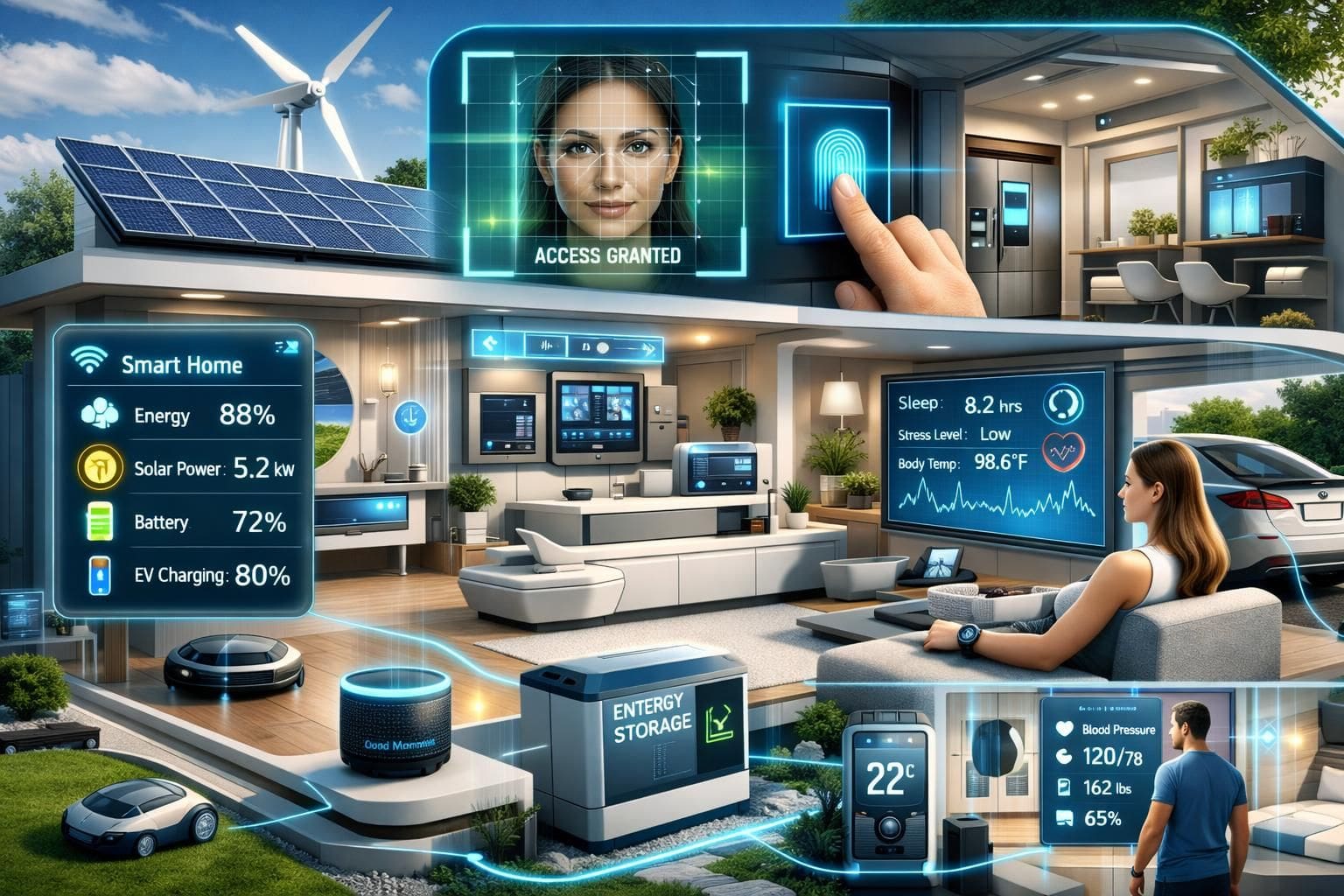
Sustainability remains a core priority, with smart energy management solutions reducing waste and promoting green living. Integration with renewable energy sources like solar panels and electric vehicle chargers is becoming more commonplace. Coupled with AI-driven analytics, these systems can dynamically balance energy loads and contribute to overall grid stability.
Security technologies continue evolving, incorporating biometrics, facial recognition, and AI-powered threat detection to anticipate and counteract risks proactively. Additionally, health monitoring devices within smart homes are gaining popularity, particularly those capable of tracking vital signs or detecting falls among elderly residents, adding a layer of wellness support with real-time alerts to caregivers.
Emerging Smart Home Trends to Watch:
- Deep personalization through adaptive AI-powered systems
- Expansion of IoT ecosystems with unified device interoperability
- Focus on sustainability with integrated energy management and renewable resources
- Advanced biometric and AI-enhanced security applications
- Integration of health and wellness monitoring technologies
Practical Applications and Real-World Examples of Smart Home Integration
Smart home integration is no longer confined to theories or luxury markets; it is actively shaping everyday living across diverse demographics. Consider a household where the climate system leverages AI to reduce energy consumption by adjusting heating and cooling according to weather forecasts and occupancy. This approach has yielded energy savings exceeding 20% in similar implementations, demonstrating tangible environmental and financial benefits.
In urban high-rises, smart security systems with facial recognition and remote monitoring have significantly reduced false alarms and unwanted entries. Residents can grant temporary access to delivery personnel or maintenance workers through mobile devices without compromising security. These capabilities enhance convenience without sacrificing safety, reflecting the growing preference for smarter living solutions among renters and homeowners alike.
Healthcare integration within smart homes is another notable example. Devices tracking vital signs or movement patterns have successfully enabled early intervention for elderly individuals living independently, lowering emergency hospital visits. In one instance, smart fall detection systems alerted family members promptly, preventing severe injury and improving the quality of life.
Moreover, enhanced automation is redefining household routines. Voice-activated systems allow multitasking individuals to control appliances while cooking or managing children, streamlining daily tasks and improving time efficiency. Smart kitchen gadgets that preheat ovens or initiate coffee makers at scheduled times embody this shift towards a more convenient lifestyle.