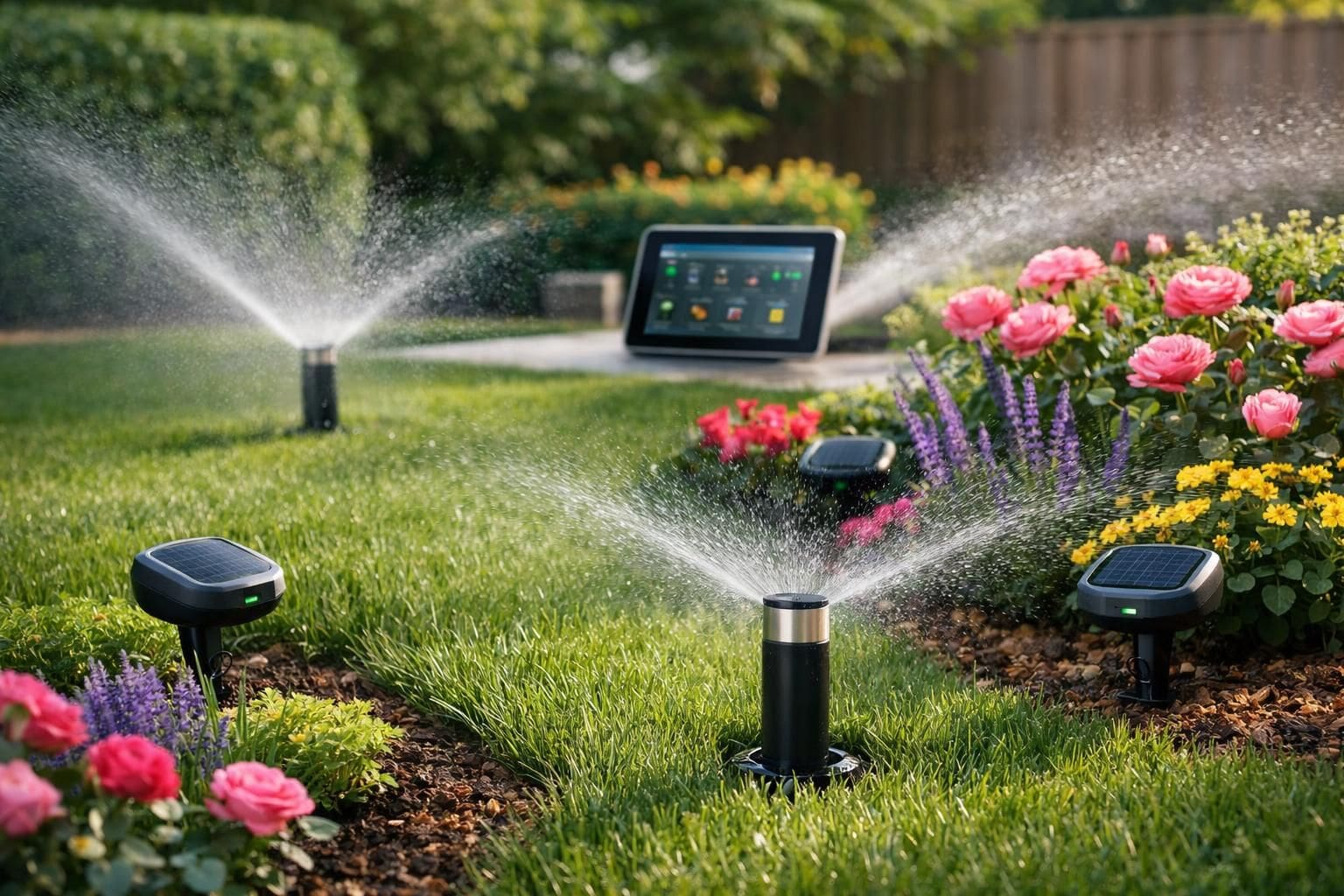
Contemporary garden care has evolved dramatically with the integration of smart technologies that intelligently manage irrigation needs. Automated garden systems, especially smart sprinklers, are more than mere conveniences; they constitute a critical evolution in resource management and environmental stewardship. By harnessing data from localized weather reports and soil moisture sensors, these sophisticated systems tailor watering schedules to the precise needs of different plants and soil types, optimizing growth while significantly reducing water waste. As global concerns regarding water scarcity intensify, these innovations offer a sustainable solution that aligns ecological responsibility with cost efficiency.
Gardeners today are increasingly embracing automation to relieve the burdens of manual watering and to ensure consistent, adaptive care throughout seasonal and daily weather fluctuations. Smart sprinkler systems incorporate advanced controllers that update irrigation plans in real-time based on hyperlocal forecasts, evapotranspiration rates, and ground saturation levels. Such responsiveness not only conserves water but also helps maintain the health and vibrancy of lawns and plants, regardless of whether the gardener is present. These systems transform irrigation from a fixed routine into a dynamic process that respects environmental variables and plant physiology, demonstrating the potential of technology to foster a greener, more resilient home landscape.
Understanding the Technology Behind Smart Sprinklers and Automated Irrigation
At the core of garden automation lies a synergy between sensor technology, intelligent controllers, and connectivity solutions that cater to precision irrigation needs. Smart sprinkler systems integrate multiple data streams to dynamically adjust watering schedules and amounts, shifting the paradigm from traditional timed systems to responsive, needs-based watering.
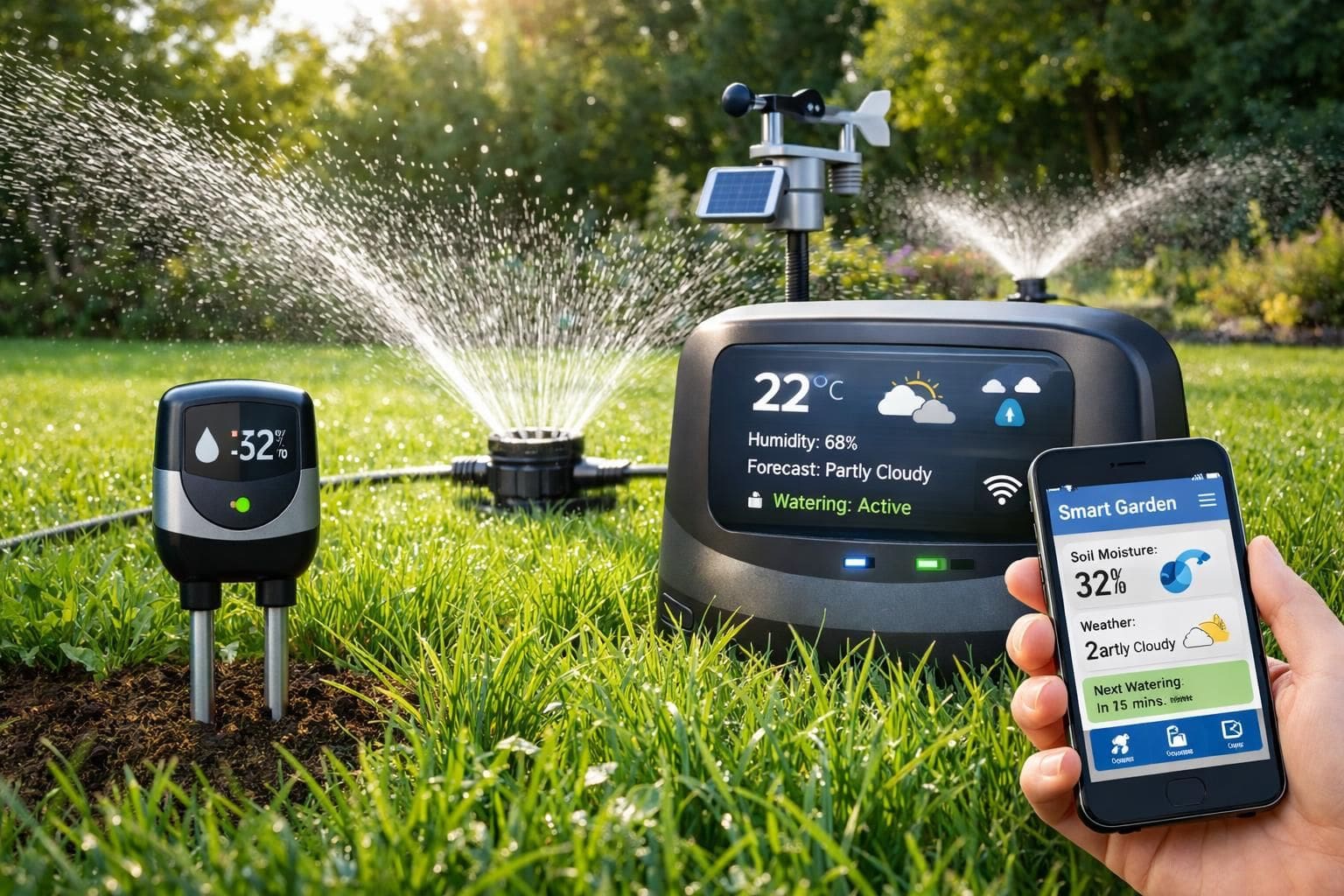
Modern smart sprinklers utilize real-time weather information harvested from local meteorological stations or proprietary weather services integrated through the Internet. This information includes rainfall probability, temperature fluctuations, humidity levels, and wind speed, all critical parameters influencing soil moisture and plant water consumption. Incorporating evapotranspiration data — which measures water loss by evaporation and plant transpiration — ensures that the system only irrigates when absolutely necessary, preventing overwatering that can cause runoff, soil erosion, and plant stress.
Complementing weather data are soil moisture sensors deployed across different irrigation zones to measure ground saturation levels directly. These sensors provide empirical data that refine watering duration and intervals, ensuring the soil precise hydration and optimal oxygen availability for roots. By partitioning a garden or lawn into multiple zones programmed according to plant type, sun exposure, and soil composition, users gain the flexibility to customize irrigation schemes that meet each area’s unique requirements.
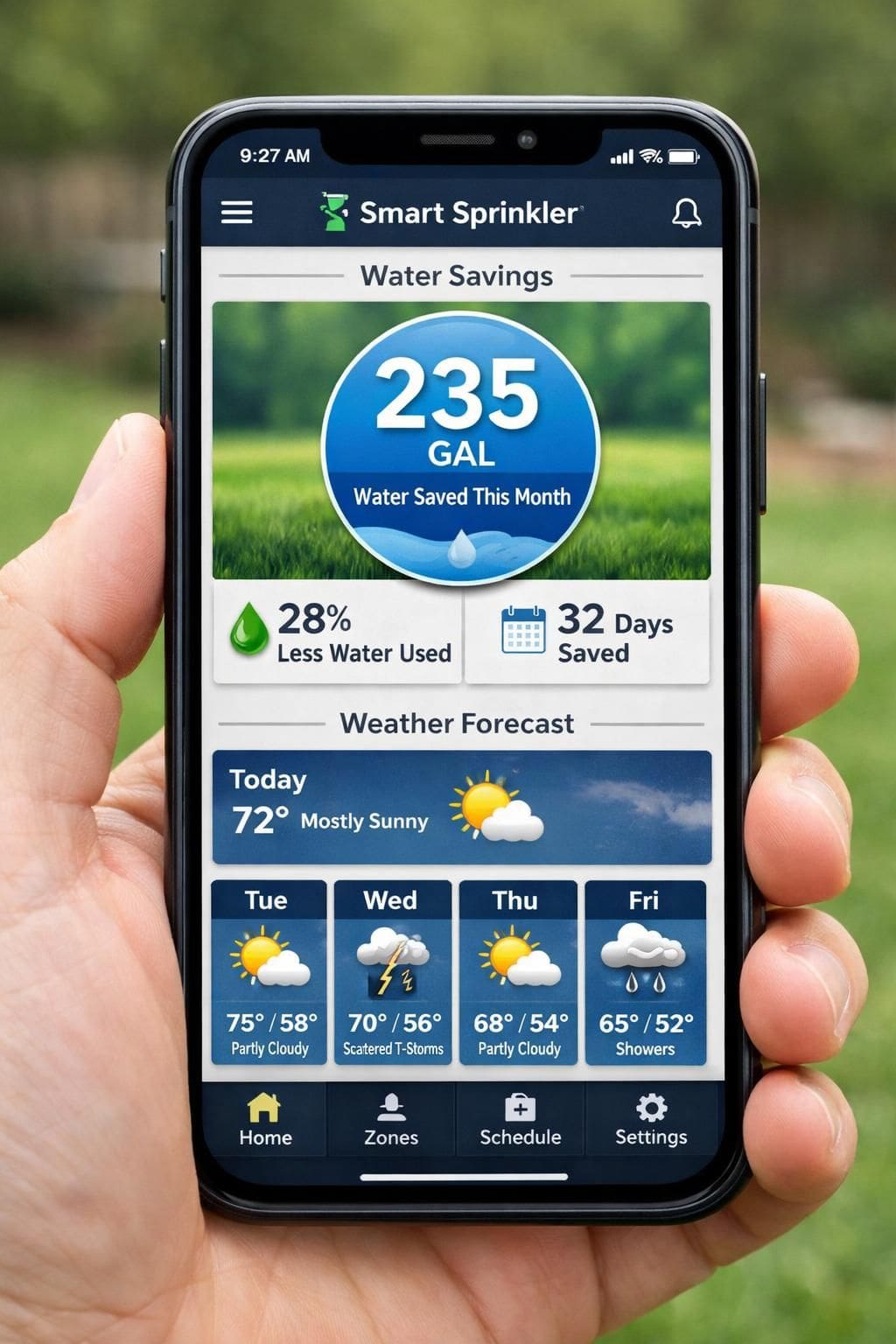
Smart controllers serve as the central nervous system for these inputs. Equipped with sophisticated algorithms, they calculate exact watering durations and schedules, excluding irrigation during or immediately after rainfall, resulting in resource savings that can reach up to 60%. These controllers also offer remote access through intuitive mobile applications, empowering homeowners to monitor and adjust their irrigation systems effortlessly from anywhere in the world.
The convergence of these technologies manifests in user-friendly interfaces combined with robust hardware, ensuring resilience to environmental factors and providing detailed analytics on water usage and system performance. This transparency fosters prudent water management and supports proactive maintenance efforts, key to sustaining system efficacy and enhancing overall garden vitality.
Maximizing Water Efficiency and Cost Savings with Automated Sprinkler Systems
Implementing smart irrigation technology offers significant environmental and financial benefits rooted in meticulous water management. Compared to traditional irrigation techniques, smart sprinkler systems can reduce outdoor water use by approximately 20 to 60%, translating into annual savings ranging from $200 to $500 for the average homeowner, depending on lawn size and local water rates.
This reduction is driven by the elimination of common inefficiencies endemic in conventional systems. For example, traditional timed watering schedules often ignore daily weather changes, leading to unnecessary irrigation during rainy periods or when soil moisture is sufficient. Overwatering not only wastes water but can also harm plants and increase bills. Smart systems counteract this issue by automatically suspending watering based on real-time precipitation forecasts and soil moisture data.
Additionally, advanced zone-specific programming allocates water volumes with surgical precision, delivering adequate hydration tailored to plant species and environmental exposure. Such granularity ensures sensitive or drought-prone plants receive only their target amounts, while other areas may require more frequent watering. The system adapts responsively to fluctuating conditions throughout the growing season, optimizing resource use and minimizing water loss due to evaporation and runoff.
Beyond water savings, homeowners benefit from lower monthly utility bills and reduced maintenance costs, as smart sprinklers detect system anomalies such as leaks or broken sprinkler heads early through flow monitoring features, preventing water loss and expensive repairs. Over time, these savings help offset initial installation costs, with many users reporting return on investment within two to four years.
Key attributes for ensuring maximum efficiency in smart irrigation include:
- Weather-based scheduling: Automated adjustments according to precipitation and temperature forecasts.
- Multi-sensor integration: Combining soil moisture, humidity, and rainfall sensors for precise watering decisions.
- Zone-specific control: Custom watering programs tailored to individual garden zones for optimized hydration.
- Remote accessibility: Smartphone apps that offer real-time control and monitoring, allowing prompt adjustments or manual overrides.
- Leak and flow detection: Early alerts prevent excessive water use and help maintain system integrity.
The long-term benefits of these features extend beyond savings to promote sustainable water practices, ensuring robust gardens and conserving vital resources.
Installation Considerations: DIY vs Professional Smart Sprinkler Setup
Installing a smart sprinkler system involves numerous technical steps and design decisions that impact performance and longevity. Gardeners and homeowners must weigh the benefits and challenges of self-installation compared to hiring professional services.
DIY Installation: Methodical Planning and Execution
For the tech-savvy and detail-oriented, DIY installation provides cost savings and a hands-on understanding of system operation. The process starts with detailed irrigation zone mapping informed by water pressure, plant types, and sunlight exposure. Appropriate tools, such as pipe cutters, trenching equipment, voltage meters, and waterproof wire connectors, are necessary to ensure correct setup.
Installation involves shutting off the main water supply, installing the smart controller near the water source, and laying underground pipes to each irrigation zone, usually buried between 8 and 12 inches deep to protect from damage and evaporation. Valve manifolds are strategically placed to control water distribution effectively.
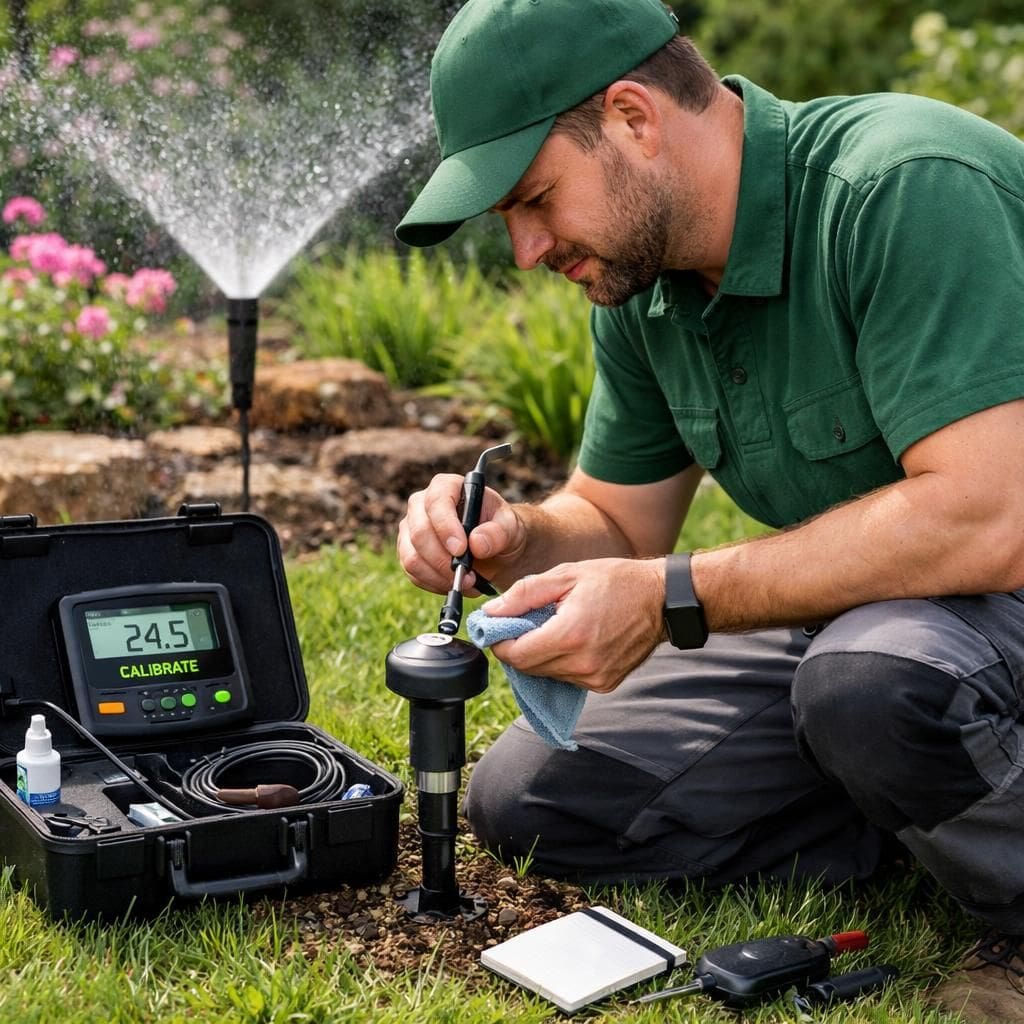
System calibration demands testing for adequate pressure, mapping zone-specific watering schedules, and adjusting spray patterns to minimize overspray and ensure comprehensive coverage. Finally, moisture sensors require calibration and location adjustment based on soil variability within zones.
While DIY installation allows control and customization, it necessitates a commitment to detailed planning and technical precision. Mistakes such as improper wiring or zone misconfiguration can result in inefficient watering or costly repairs, emphasizing the need for methodical workmanship during setup.
Professional Installation: Expertise and Long-Term Assurance
Securing professional installation brings advantages of expert design and compliance with local regulations, warranties, and ongoing service. Certified technicians contribute irrigation knowledge, ensuring optimized sprinkler head placement, correct wiring gauge, waterproofing, and integration of advanced components such as weather stations and flow sensors.
Professionals deliver calibrated, precise programming attuned to your landscape’s unique needs, incorporating seasonal adjustments and pressure optimization that often exceed DIY capabilities. Post-installation support typically encompasses scheduled maintenance, warranty protection, and rapid response troubleshooting.
This assurance is invaluable for complex landscapes or users lacking in technical familiarity. Though initially more costly, the reliability and longevity gained through professional services often justify the investment, yielding long-term savings and peace of mind.
Leading Smart Sprinkler Systems and Features to Consider in 2026
The market for smart irrigation has matured significantly, offering a variety of high-performance controllers and comprehensive kits tailored to different budgets and garden sizes. Selecting the right system depends on factors like zone capacity, sensor compatibility, app functionality, and certification status.
Among the most acclaimed models are the Rachio 3, recognized for its 16-zone support, intelligent weather integration, and seamless smart home compatibility, and the Hunter Hydrawise Pro-HC, favored for commercial-grade durability and predictive watering algorithms. The RainMachine Touch HD operates offline with self-learning forecasts, eliminating recurring subscription fees. For budget-conscious users, the Orbit B-hyve XD presents WaterSense certification and weather-based automation without compromising essential features.
Additionally, integrated drip irrigation kits like the VIVOSUN Automatic Drip Irrigation Kit offer solutions for container gardens and delicate plantings, with programmable timers and efficient emitters tailored for targeted watering.
Crucial selection criteria to maximize system value include:
- Compatibility: Ensuring the controller fits your existing valve configurations and wiring capacity.
- Multi-sensor support: Ability to integrate various soil, rainfall, and flow sensors for comprehensive monitoring.
- Connectivity: Wi-Fi, Zigbee, or hardwired options to suit home infrastructure and preference.
- App usability: Intuitive interfaces offering remote control, alerts, and water usage analytics.
- WaterSense certification: Guaranteeing adherence to strict water efficiency standards.
Notably, GPS-enabled controllers that automatically detect your property’s microclimate enhance precision irrigation by tailoring schedules according to local conditions without manual input, further streamlining the user experience and improving water conservation outcomes.
Maintaining Peak Performance of Smart Sprinklers and Ensuring Longevity
After installation, diligent maintenance preserves the accuracy and efficiency of smart irrigation systems. Without upkeep, sensor degradation or mechanical wear may reduce system efficacy, negating water savings and risking plant health.
Regular maintenance practices include quarterly calibration of soil moisture sensors to counteract mineral buildup or root interference, ensuring reliable moisture readings that drive watering decisions. Biannual flushing of valves prevents debris accumulation from impairing flow rates and damaging diaphragms, retaining system responsiveness.
Changing environmental conditions necessitate updates to watering schedules; seasonal reprogramming ensures the system responds correctly to temperature shifts and day length variations, maintaining precise irrigation without overuse or drought stress.
Controller firmware should be updated promptly to benefit from manufacturer-provided patches that improve scheduling algorithms and fix potential bugs. Rain sensors require cleaning of collection surfaces to avoid false readings, while wireless connections between system components must be tested regularly for integrity.
A comprehensive winterization protocol includes draining irrigation lines, disabling rain sensors, and activating hibernation modes to prevent freezing damage. Proactive component replacement before failure curtails system downtime and expensive repairs.
Through methodical maintenance routines, smart sprinkler systems realize their full potential, maximizing water efficiency and supporting lush gardens over years of operation.